
Among the nine planetary periods of Vimshottari, Ketu Mahadasha occupies a distinctive position. Lasting seven years, it is the first period in the planetary sequence and is governed by one of the two lunar nodes.
Ketu is traditionally depicted as a headless celestial being, called Kabandha in Brihat Parashara Hora Shastra. Unlike the seven visible planets, it does not possess an independent physical body in the astronomical sense. Its astrological results are therefore understood through its placement, associations and the planetary influences connected with it.
Modern interpretations frequently associate Ketu with detachment, spirituality, isolation, liberation and sudden changes. While some of these ideas have a place in traditional Jyotisha, reducing its Mahadasha to a period of renunciation or spiritual awakening does not reflect the full range of classical descriptions.
In Brihat Parashara Hora Shastra, a well-placed Ketu can bring authority, wealth, property, conveyances, happiness from children and spouse, and gains from distant lands. Under adverse conditions, its period may bring anxiety, illness, separation, loss of position and difficulties involving family and residence.
The difference lies in the condition of Ketu in the birth chart. Its seven-year period must be judged through the houses it occupies, its dispositor, its associations, its strength and the overall promise of the Kundali.
1. The Nature of Ketu in Vedic Astrology
Ketu is one of the two lunar nodes, the other being Rahu. They are the astronomical points where the Moon’s orbit intersects the ecliptic. In Jyotisha, both are classified as Chhaya Grahas, or shadow planets.
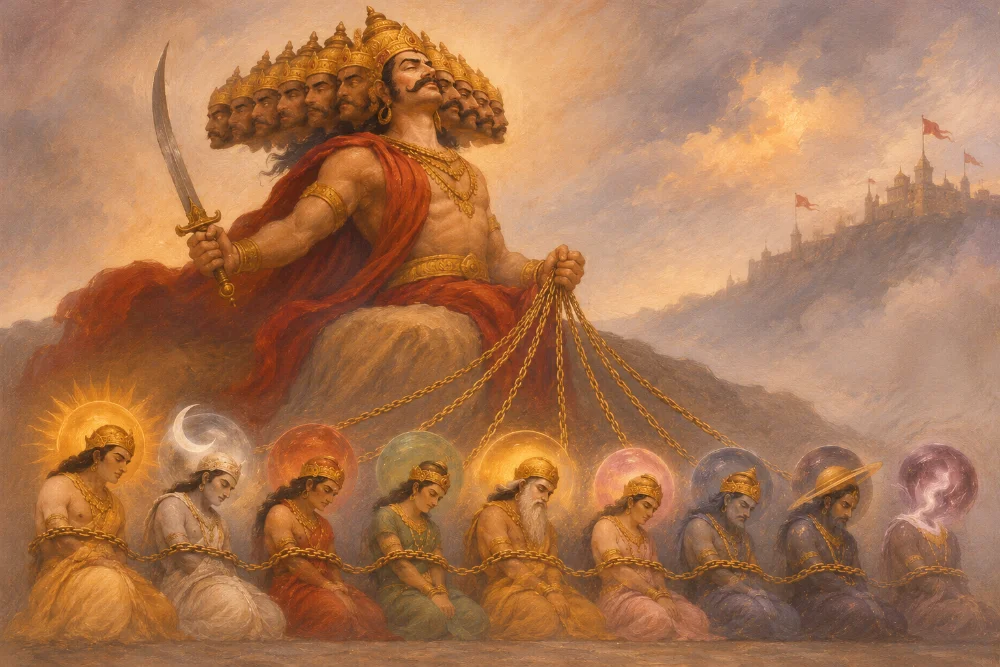
The traditional mythology describes the origin of the nodes through the story of Swarbhanu, who consumed Amrita during the churning of the cosmic ocean. After Vishnu severed his head, the head became Rahu and the remaining body became Ketu. This imagery is reflected in Ketu’s description as Kabandha, a headless form, in Parashara’s account of its Mahadasha.
The absence of a head is an important symbolic distinction, although it should not be converted into simplistic psychological predictions. Ketu’s traditional interpretation extends beyond the idea of detachment.
It is associated with separation, discontinuity and circumstances that may not follow ordinary expectations. Its influence can be difficult to comprehend through conventional material considerations alone. However, the same Ketu can also support achievement, recognition, acquisition and prosperity when its placement and associations are favourable.
Ketu should therefore not be considered inherently destructive or automatically spiritual. Its results are conditional, just like those of the other Grahas.
2. General Results of Ketu Mahadasha According to Parashara
Brihat Parashara Hora Shastra, Chapter 47, verses 71 to 77, gives the principal description of Ketu Mahadasha.
Parashara first identifies Ketu as Kabandha and then describes the circumstances under which its period can produce favourable results.
When Ketu occupies a Kendra, Trikona or the 11th house, or is placed in a benefic sign, exaltation or its prescribed own sign, the text associates its Mahadasha with:
- Favourable relations with rulers and people in authority.
- Attainment of leadership or administrative responsibility.
- Comforts and conveyances.
- Happiness through children and spouse.
- Gains from foreign countries or distant places.
- Acquisition of cattle and other resources.
- Recognition, prosperity and opportunities for advancement.
These descriptions are important because they contradict the popular assumption that Ketu Mahadasha necessarily brings material withdrawal or worldly loss.
Parashara also describes favourable results when Ketu occupies the 3rd, 6th or 11th house, including gains, recognition and favourable relations.
The adverse results are described when Ketu occupies the 2nd, 8th or 12th house, or receives malefic aspects. These include imprisonment, loss of relatives, destruction of residential property, anxiety, association with undesirable people and illness.
The text’s language reflects the social and political circumstances of its period. References to kingship, cattle and administrative authority can be understood in contemporary contexts as recognition from institutions, professional responsibility, acquisition of resources and positions of influence.
The important principle is that Ketu’s Mahadasha is capable of producing both material and non-material developments. Its nature cannot be determined merely from its planetary identity.
3. The Importance of Ketu’s Placement and Dispositor
Ketu does not own zodiacal signs in the same universally accepted manner as the seven classical planets. Different Jyotisha traditions assign it different dignities and sign relationships.
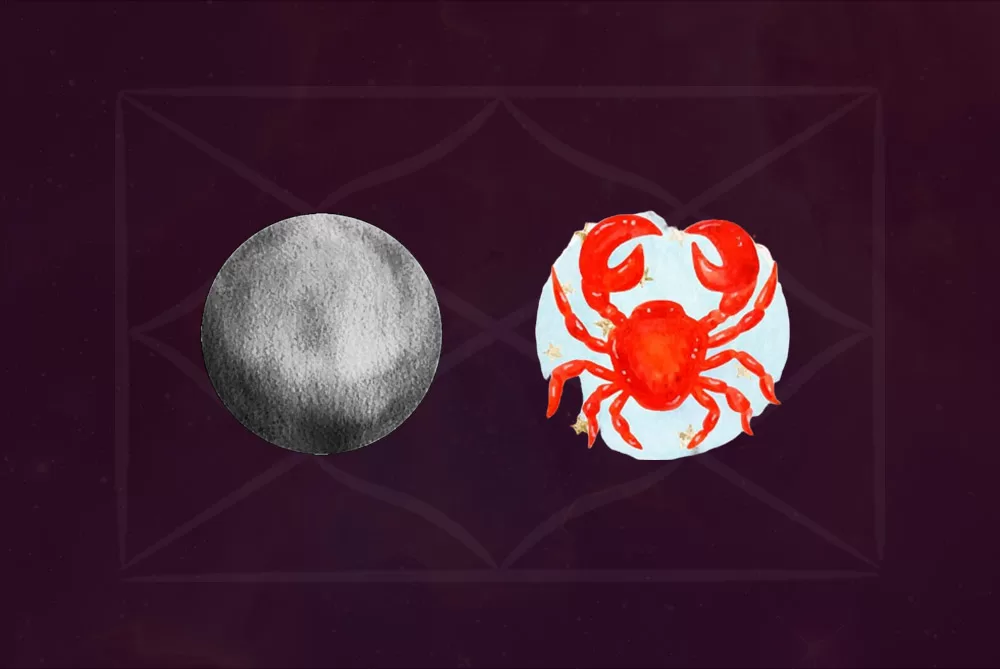
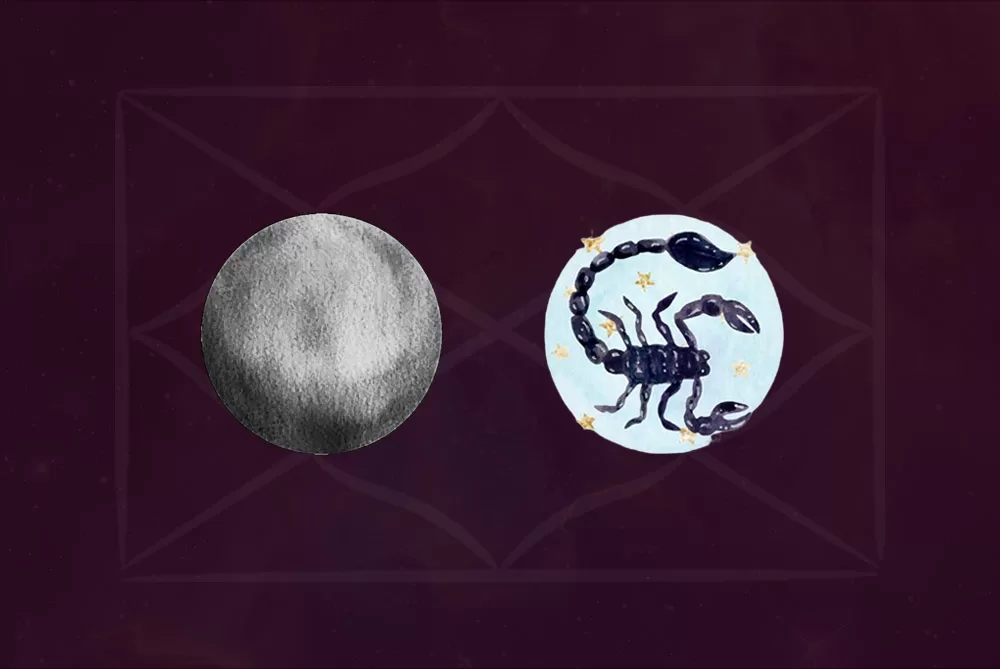
Parashara’s discussion in Chapter 47 records Scorpio as Ketu’s exaltation and own sign, and Sagittarius as its Moolatrikona. The text also records an alternative view in which Pisces is considered Ketu’s own sign.
Unlock this Pro Content
Access Advanced Astrology with Astro Assured Pro
6. The Nine Antardashas of Ketu Mahadasha
The seven-year Mahadasha is divided into nine Antardashas. Each brings the influence of another planetary ruler into the broader period of Ketu.
| Antardasha | Approximate Duration |
|---|---|
| Ketu | 4 months, 27 days |
| Venus | 1 year, 2 months |
| Sun | 4 months, 6 days |
| Moon | 7 months |
| Mars | 4 months, 27 days |
| Rahu | 1 year, 18 days |
| Jupiter | 11 months, 6 days |
| Saturn | 1 year, 1 month, 9 days |
| Mercury | 11 months, 27 days |
The durations use the traditional 360-day Dasha year. Calendar dates may differ according to the calculation convention used by a particular software or astrologer.
The following are the principal considerations for each Antardasha.
Ketu Antardasha
The opening sub-period activates Ketu’s own indications. BPHS Chapter 59 describes favourable possibilities involving wealth, family happiness, property and recognition when Ketu occupies supportive houses or is connected with important house lords.
However, the text also recognises mental distress and difficulties when Ketu is weak, afflicted or connected with adverse houses. Its dispositor and associations are particularly important during this phase.
Venus Antardasha
Venus introduces matters involving relationships, comforts, wealth, conveyances and material resources. When strong and favourably placed, the classical text associates this period with prosperity, recognition, property and auspicious activities.
Its functional role, dignity and relationship with the Ketu dispositor determine whether these indications can manifest favourably.
Sun Antardasha
The Sun brings attention to authority, recognition, administration, father and personal standing. A well-placed Sun can support gains, reputation and the fulfilment of ambitions.
Affliction or weakness may instead bring disputes with authorities, obstacles and strain involving the matters represented by the Sun.
Moon Antardasha
The Moon brings attention to the mind, mother, home, family and emotional circumstances. A strong and waxing Moon in favourable dignity can support domestic happiness, property and material gains.
A weak or afflicted Moon may create mental distress, instability and difficulties involving family matters.
Mars Antardasha
Mars activates courage, energy, property, competition, siblings and action. When favourably placed, its period can support professional initiative, gains, property and the overcoming of obstacles.
Afflicted Mars may bring disputes, aggression, injuries or conflict. Its house ownership and relationship with Ketu must be considered carefully.
Rahu Antardasha
Rahu within Ketu Mahadasha introduces the influence of the other lunar node. The period may bring unusual circumstances, changes in associations and developments involving unfamiliar environments.
Its results depend on Rahu’s placement, dispositor and associations. The classical texts also describe adverse possibilities involving disputes, authorities, travel and loss when Rahu is poorly situated.
Jupiter Antardasha
Jupiter can bring attention to knowledge, teachers, children, Dharma, wealth and auspicious activities. When strong and favourably placed, the period may support prosperity, property, religious observances and fulfilment of ambitions.
Its functional lordship and relationship with Ketu are essential to determining the actual results.
Saturn Antardasha
Saturn brings matters involving responsibility, work, service, discipline, delay and long-term obligations into prominence. A strong and favourably situated Saturn may support professional responsibilities and material consolidation.
A weak or afflicted Saturn can intensify difficulties involving health, relationships, responsibilities and circumstances beyond one’s immediate control.
Mercury Antardasha
Mercury activates education, communication, commerce, intellect, business and relationships with friends and relatives. When favourably placed, the period can support learning, financial gains, professional activity and constructive associations.
Its results depend on Mercury’s functional role, strength and association with Ketu’s dispositor.
These are interpretative outlines rather than fixed predictions. BPHS Chapter 59 examines each Antardasha through the condition of its ruling planet, its placement relative to Ketu and its relationship with relevant house lords. Consequently, the same Antardasha can produce substantially different experiences in different Kundalis.
7. Ketu Mahadasha and Spiritual Development
Ketu’s association with detachment and spiritual inquiry has made its Mahadasha particularly interesting to students of Jyotisha.
However, it is important to distinguish traditional symbolism from automatic predictions.
A person does not necessarily become spiritually inclined simply because Ketu Mahadasha begins. Nor does every Ketu period bring renunciation, isolation or liberation.
The spiritual indications must be examined through the 5th, 9th and 12th houses, their lords, Jupiter, relevant divisional charts and the combinations associated with spiritual pursuits.
The condition of the 9th house can provide insight into Dharma and the relationship with teachers. The 12th house can indicate withdrawal, pilgrimage and other forms of expenditure or separation. The 5th house and its significations can contribute to understanding learning, mantra and accumulated merit.
Ketu may become an important factor in such combinations, but it should not be considered their sole cause.
A well-supported Ketu may coincide with deeper inquiry, reduced attachment to certain ambitions or a change in one’s understanding of worldly priorities. Yet these developments can occur alongside material progress, professional responsibilities and family life.
Spiritual growth and worldly achievement are not necessarily mutually exclusive.
8. Classical Remedies During Ketu Mahadasha
Classical remedial measures should be distinguished from contemporary commercial recommendations.
Brihat Parashara Hora Shastra Chapter 59 prescribes specific measures within certain Antardashas of Ketu Mahadasha. For Ketu’s own Antardasha, verse 6 recommends recitation associated with Goddess Durga and Mrityunjaya.
Other Antardasha sections prescribe different forms of worship, recitation or charity according to the planetary period and its stated conditions.
These prescriptions should be understood in their textual context. A remedy given for one Antardasha should not automatically be treated as a universal remedy for all seven years.
More importantly, a remedy should not be recommended merely because Ketu is present in a particular house. The astrologer must first establish the nature of the affliction, the relevant planetary relationships and the tradition from which the remedy is being prescribed.
The classical approach is to connect remedial measures with the specific planetary condition rather than apply an identical prescription to everyone undergoing Ketu Mahadasha.
Conclusion
Ketu Mahadasha is a seven-year period whose results can range from recognition, prosperity and material gains to uncertainty, separation and personal difficulties.
Classical Jyotisha does not describe Ketu as an inherently destructive planet whose period must necessarily bring suffering. Parashara explicitly recognises its capacity to produce authority, property, family happiness and prosperity when its condition is favourable.
The key to interpretation lies in examining Ketu’s placement, dispositor, associations, dignity and strength, along with the houses and combinations it influences. Its Antardashas further determine the planetary influences operating within the broader period.
The popular association of Ketu with detachment and spirituality captures only one dimension of its symbolism. Its Mahadasha must be understood through the complete promise of the Kundali, not through isolated planetary keywords.
Ultimately, Ketu’s seven years are not defined by the planet alone. They are defined by the role it occupies within the larger architecture of the birth chart.
Frequently Asked Questions About Ketu Mahadasha
What is Ketu Mahadasha in Vedic astrology and how long does it last?
Ketu Mahadasha is a 7-year major planetary period in the Vimshottari Dasha system ruled by Ketu, the South Node of the Moon. Known as the Moksha Karaka (significator of spiritual liberation), Ketu turns focus inward, stripping away superficial attachments and prompting deep self-reflection, spiritual awakening, and karmic resolution.
What are the main effects of Ketu Mahadasha on life and mindset?
During Ketu Mahadasha, individuals often experience a strong sense of detachment from worldly ambitions, social circles, or materialistic pursuits that once felt urgent. It heightens intuition, draws the mind toward philosophy, meditation, or occult sciences (Jyotish), and brings sudden, unexpected shifts that redirect life toward authentic purpose.
How does Ketu Mahadasha impact career, finances, and relationships?
Because Ketu favors inner growth over external validation, career changes, sudden relocations, or a desire to work independently behind the scenes are common. Financially, gains can come unexpectedly if Ketu is well-placed, though impulsive or ungrounded decisions can cause instability. In relationships, superficial connections tend to fall away while karmic bonds are tested and purified.
Which Antardasha periods are most significant during Ketu Mahadasha?
Ketu Mahadasha begins with Ketu-Ketu Antardasha (about 4 months and 27 days), which initiates the theme of detachment. Subsequent sub-periods like Ketu-Venus (1 year, 2 months) test relationships and comfort, Ketu-Jupiter (11 months, 6 days) deepens spiritual wisdom, and Ketu-Mercury (11 months, 27 days) closes the cycle by sharpening analytical clarity before Venus Mahadasha begins.
How can one navigate Ketu Mahadasha peacefully?
Since Ketu has no physical body (representing the headless trunk in Vedic lore), trying to control every outcome through ego leads to frustration. Surrendering rigid expectations, practicing regular meditation or Pranayama, engaging in selfless service (Seva), and honoring Lord Ganesha or spiritual mentors helps channel Ketu’s energy into profound inner peace and clarity.
Classical References
- Brihat Parashara Hora Shastra: Chapter 46, Vimshottari Dasha; Chapter 47, verses 71-77, results of Ketu Mahadasha; Chapter 59, Antardasha results during Ketu Mahadasha; Chapter 34, verses 16-17, results of Rahu and Ketu through placement and association.
- Phaladeepika by Mantreswara: Chapter 19, verses 17 and 25, results attributed to Ketu Dasha.
- Phaladeepika: Chapter 21, verses 66-74, Antardasha results within Ketu Mahadasha.
- Jataka Parijata by Vaidyanatha Dikshita: Chapter 18, verses 145-157, Ketu period and its subordinate results.
Note: Chapter and verse numbering may differ between editions and recensions. The references above follow the editions consulted for this article.