For Virgo Ascendants, Saturn rules the 5th and 6th houses. The 5th house governs intelligence, children, creativity, romance, and speculative gains, while the 6th house relates to service, health, debts, diseases, enemies, and daily work life. These two houses are of a contrasting nature – one is a trine (5th) and the other is a dusthana (6th). Saturn’s rulership over these domains makes it a neutral planet for Virgo Ascendants, often bringing responsibility and realism in matters of intellect, competition, and relationships.
Virgo is an earth sign ruled by Mercury, a planet of logic and analysis. Saturn’s steady, practical nature aligns well with Virgo’s detail-oriented temperament. When well-placed, Saturn here can create individuals who are highly disciplined, intelligent, and committed to their goals. When afflicted, it can produce pessimism, over-analysis, and health issues related to stress and rigidity.
Let’s explore how Saturn influences each of the twelve houses for Virgo Ascendants.
Saturn in 1st House for Virgo Ascendant

For Virgo Ascendant, Saturn rules the 5th house of intelligence, education, children, creativity, and Purva Punya, as well as the 6th house of employment, service, debts, disputes, and health. Its placement in the 1st house, Virgo, brings these significations directly into the native’s personality, temperament, physical constitution, and approach to life. Saturn is a natural malefic, but its functional role for Virgo Ascendant is mixed because it combines 5th-house Trikona lordship with 6th-house Dusthana lordship. The 5th lordship can support disciplined intelligence, perseverance, and the ability to develop knowledge over time, while the 6th lordship connects the native’s life path with duties, challenges, and sustained effort. Saturn in the Ascendant may make the native serious, cautious, reserved, and conscious of responsibilities from an early age. The person may prefer to observe before participating, assess circumstances carefully, and avoid making commitments without considering their long-term consequences. Confidence may develop gradually through experience rather than through spontaneous self-expression. Virgo is ruled by Mercury, a natural friend of Saturn, so Saturn occupies a sign that can support practical thinking, methodical work, and attention to detail. The native may approach problems patiently and prefer reliable methods over impulsive decisions. Saturn’s influence can also give a lean or angular physical build, a measured manner, or a composed appearance, although physical characteristics depend on the Ascendant degree, planetary aspects, conjunctions, and other factors. Early responsibilities may encourage maturity, but they can also make the native overly self-critical or inclined to carry burdens without asking for help. The constructive expression of Saturn in the 1st house is not simply seriousness; it is the ability to build competence, stability, and self-respect through sustained effort.
Saturn casts its special 3rd, 7th, and 10th aspects. From Virgo, its 3rd aspect falls on Scorpio, the 3rd house of courage, communication, initiative, practical skills, and younger siblings. This influence can make the native deliberate in speech and cautious about taking risks. Progress through writing, communication, or self-directed projects may require patience, but persistent effort can strengthen practical abilities over time. Its 7th aspect falls on Pisces, the 7th house of marriage, partnerships, contracts, and public dealings. Saturn’s influence on the 7th house can encourage a serious approach to commitment and a preference for relationships built on reliability, maturity, and shared responsibilities. Partnerships may develop gradually or require sustained work, but delay or difficulty should not be assumed from this aspect alone. Jupiter, the 7th lord, and Venus as the natural significator of relationships must also be considered when evaluating marriage. Saturn’s 10th aspect falls on Gemini, the 10th house of profession, authority, reputation, and karma. This creates a direct connection between the Ascendant and career, potentially supporting a steady, methodical approach to professional responsibilities. The native may prefer careers that reward technical competence, analysis, organisation, administration, or the management of complex duties. As the 5th lord, Saturn can connect intelligence and learning with professional achievement, while its 6th-house lordship highlights service, competition, and the need to resolve practical problems. Mercury, as the 10th lord and ruler of Virgo, becomes especially important in judging career outcomes. Saturn’s influence can favour gradual advancement through experience and consistency, although the actual results depend on the strength of Mercury, the 10th house, and the operating Dasha. In relationships and work alike, the native benefits from balancing caution with openness, ensuring that a preference for security does not become resistance to useful change.
Saturn in the 1st house can make patience, accountability, and long-term planning defining themes in the native’s development. The person may feel compelled to establish stability before pursuing enjoyment, and may take obligations seriously even when others would approach them more casually. This can make the native dependable and capable of remaining composed under pressure, particularly as experience teaches them which responsibilities deserve their energy. However, Saturn’s influence may also manifest as excessive self-restraint, pessimism, or the belief that every achievement must be earned through hardship. The native should avoid equating constant struggle with virtue or assuming that rest and enjoyment are signs of weakness. Saturn’s 5th-house lordship can support methodical study, disciplined creativity, and thoughtful decision-making, while its 6th-house lordship can strengthen the capacity to manage routines and persist through obstacles. These qualities are especially useful when combined with Virgo’s analytical nature, but excessive criticism of oneself or others can undermine confidence and relationships. The placement alone does not establish poor health or low vitality. Physical wellbeing must be assessed through the complete Kundali and, in practical terms, supported by appropriate healthcare, exercise, rest, and sustainable daily habits. Mercury’s condition is central because it rules both the Ascendant and Saturn’s occupied sign, while the Moon and other influences help refine the assessment of temperament and emotional experience. The strength of Saturn, its associations, and the operating Dasha also affect how its results unfold over time. Ultimately, Saturn in the 1st house for Virgo Ascendant can support a thoughtful, dependable, and resilient personality whose abilities mature through experience. Its best expression emerges when discipline is balanced with self-compassion, responsibility with healthy boundaries, and careful planning with the willingness to recognise opportunities when they arise.
Saturn in 2nd House for Virgo Ascendant
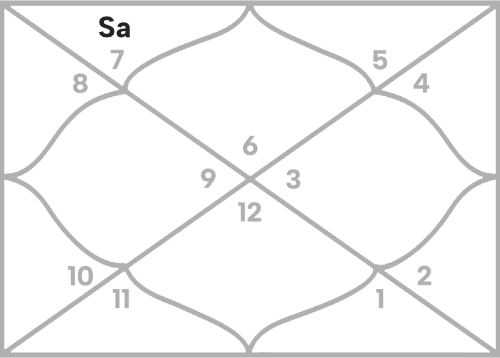
For Virgo Ascendant, Saturn rules the 5th house of intelligence, education, children, creativity, and Purva Punya, as well as the 6th house of employment, service, debts, disputes, and health. When Saturn occupies the 2nd house, Libra, these significations connect with accumulated wealth, family life, speech, food habits, and personal values. Saturn is exalted in Libra, giving it strong sign dignity and supporting its capacity for discipline, endurance, and practical judgement. However, Saturn’s functional role for Virgo Ascendant remains mixed because it combines the auspicious lordship of the 5th house with the challenging lordship of the 6th house. Its placement in the 2nd house can create a serious and cautious approach to money, encouraging the native to prioritise financial security over immediate gratification. Wealth may accumulate gradually through steady employment, long-term planning, careful budgeting, or work that rewards persistence and responsibility. Early financial circumstances may involve restrictions or a strong emphasis on saving, though hardship is not inevitable. In many cases, the native learns to value money because they understand the effort required to earn and preserve it. Saturn’s exaltation can strengthen the ability to make measured financial decisions, particularly when supported by a well-placed Mercury and favourable wealth combinations. The 2nd house also represents family traditions and inherited values, so the native may grow up in an environment that emphasises duty, restraint, respectability, or financial responsibility. Family relationships may be shaped by practical obligations rather than overt emotional expression, and the native may feel responsible for maintaining stability within the family. Saturn’s influence on speech can make the person reserved, deliberate, serious, or economical with words. Although this may sometimes appear dry or stern, it can also produce a measured style of communication in which statements carry weight because they are considered carefully before being expressed.
Saturn casts its special 3rd, 7th, and 10th aspects. From Libra, its 3rd aspect falls on Sagittarius, the 4th house of home, mother, property, education, and emotional security. This connects family resources and values with domestic responsibilities, potentially encouraging a cautious approach to property purchases, household expenditure, or educational commitments. The native may take time to establish a stable home or may shoulder practical family duties, but the aspect alone does not establish domestic hardship. Jupiter, the 4th lord, and the condition of the 4th house must be examined to assess these matters. Saturn’s 7th aspect falls on Aries, the 8th house of inheritance, joint assets, taxes, insurance, and sudden changes. This aspect can encourage caution around shared finances and a preference for clear agreements concerning loans, inheritances, or jointly held property. It may also make the native attentive to financial risks and the need to maintain reserves for unexpected expenses. Since Mars rules Aries and is the 3rd and 8th lord for Virgo Ascendant, its condition becomes important in judging these outcomes. Saturn’s 10th aspect falls on Cancer, the 11th house of income, gains, fulfilment of desires, friendships, and social networks. This creates a direct connection between accumulated wealth and future earnings, potentially supporting the gradual development of income through persistent work, established networks, and long-term objectives. Gains may require sustained effort, but Saturn’s exalted dignity can help the native approach financial goals with discipline. The Moon, as the 11th lord, remains essential in assessing income and gains. Saturn’s 5th-house lordship can also connect intelligence and education with financial planning, while its 6th-house lordship highlights earnings through employment, service, and the resolution of practical problems. These connections may favour careful financial management or professions requiring patience, accountability, and structured decision-making. Nevertheless, the final results depend on the condition of the relevant houses and lords, planetary associations, and the operating Dasha.
Saturn in the 2nd house can encourage the native to develop a mature understanding of wealth, responsibility, and the role of family values in shaping financial decisions. The person may prefer dependable sources of income, avoid unnecessary risks, and place greater trust in gradual accumulation than in sudden gains. Saturn’s exaltation in Libra can support a balanced approach to financial obligations, particularly when the native applies patience and sound judgement rather than allowing fear of loss to dictate every decision. However, excessive frugality may sometimes limit enjoyment or create anxiety around spending even when resources are sufficient. The native benefits from distinguishing prudent saving from an unwillingness to use money for legitimate needs, meaningful experiences, or the wellbeing of loved ones. In family life, Saturn can create a strong sense of duty, but emotional warmth should not be replaced entirely by practical assistance or material provision. Expressing affection openly and allowing family relationships to evolve beyond inherited expectations can help create a healthier balance between tradition and personal choice. Speech may become an asset when the native uses careful judgement to offer reliable advice, especially in matters involving finance, administration, family responsibilities, or long-term planning. At the same time, directness should be tempered with sensitivity so that honesty does not become unnecessary harshness. Mercury, as the Ascendant lord, and Venus, as the 2nd and 9th lord, are important in judging the broader financial picture, while Saturn’s own condition determines how its discipline and endurance are expressed. Ultimately, Saturn in the 2nd house for Virgo Ascendant can support lasting financial stability, thoughtful speech, and a strong sense of responsibility towards family and resources. Its most constructive expression lies in combining patience with flexibility, thrift with generosity, and traditional values with a balanced understanding of present needs.
Saturn in 3rd House for Virgo Ascendant
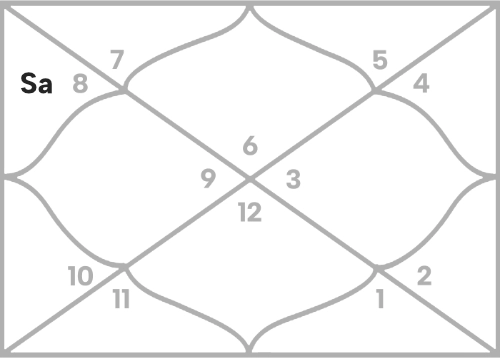
For Virgo Ascendant, Saturn rules the 5th house of intelligence, education, children, creativity, and Purva Punya, as well as the 6th house of employment, service, debts, disputes, and health. When Saturn occupies the 3rd house, Scorpio, these significations connect with courage, initiative, communication, practical skills, short journeys, and relationships with younger siblings. The 3rd house is an Upachaya, where planetary results can strengthen through sustained effort, experience, and perseverance. Saturn’s natural tendency towards discipline and gradual development can therefore become constructive in this placement, although early expression may involve hesitation, self-consciousness, or a cautious approach to unfamiliar situations. Scorpio is ruled by Mars, the 3rd and 8th lord for Virgo Ascendant. Saturn and Mars are natural enemies, so Saturn occupies a sign that does not offer particularly comfortable conditions for its expression. The condition of Mars, Saturn’s dispositor, becomes important in judging initiative, communication, and relationships with siblings. The native may prefer to assess risks carefully before acting and may take longer than others to develop confidence in public speaking, writing, negotiation, or independent decision-making. However, once a direction has been chosen, the person may demonstrate considerable persistence and the ability to continue working through obstacles. Saturn in the 3rd house can favour practical skills that require patience, repeated practice, and careful attention to detail. The native may develop a measured communication style, preferring meaningful statements over unnecessary conversation. As the 5th lord, Saturn connects intelligence and learning with personal effort, potentially supporting systematic study and the gradual development of specialised knowledge. Its 6th-house lordship can add persistence in competitive environments and the capacity to handle demanding responsibilities. These qualities may be useful in writing, research, administration, law, journalism, technical communication, or other fields requiring consistency, although career outcomes depend on the 10th house, Mercury, and other relevant factors.
Saturn casts its special 3rd, 7th, and 10th aspects. From Scorpio, its 3rd aspect falls on Capricorn, the 5th house, which Saturn itself rules. This creates a direct relationship between the 3rd and 5th houses, linking personal effort and communication with intelligence, education, creativity, children, and Purva Punya. The aspect may support disciplined study, sustained creative work, and the ability to turn knowledge into practical skills. The native may prefer a structured approach to learning and may develop expertise through repeated practice rather than quick experimentation. However, excessive caution can sometimes restrict creative expression or make the native reluctant to share unfinished work. Saturn’s 7th aspect falls on Taurus, the 9th house of fortune, Dharma, higher education, teachers, father, and long-distance journeys. This connects initiative and self-effort with higher learning and the development of personal principles. The native may approach education, philosophy, and spiritual traditions seriously, preferring knowledge that can withstand examination and prove useful in practice. Progress in higher education or professional qualifications may require persistence, but the aspect does not necessarily indicate denial or delay. Venus, as the 9th lord, is particularly important in assessing fortune, teachers, and educational opportunities. Saturn’s 10th aspect falls on Leo, the 12th house of expenditure, foreign lands, isolation, sleep, and spiritual retreat. This connection can direct sustained effort towards work behind the scenes, foreign institutions, research, or activities requiring privacy and concentration. It may also encourage the native to approach expenditure cautiously and to value solitary time for focused study. However, the 12th house can involve expenses and obligations, so practical financial planning remains important. Saturn’s influence on the 9th and 12th houses may also encourage a disciplined approach to spiritual study, particularly when philosophical inquiry is supported by consistent practice rather than speculation alone.
Saturn in the 3rd house can gradually develop a form of courage grounded in preparation, endurance, and the willingness to keep going despite uncertainty. The native may not always be the most outspoken person in a group, yet may earn respect through dependable action, careful judgement, and the ability to manage responsibilities without seeking constant recognition. This can become a form of quiet leadership, particularly in environments where consistency matters more than dramatic displays of confidence. Relationships with younger siblings may involve practical duties, differences in temperament, or periods of emotional distance, but Saturn’s placement alone cannot establish estrangement or difficult sibling relationships. The condition of Mars, the 3rd lord, and other influences on the 3rd house must be considered. The native may benefit from expressing care directly rather than assuming that fulfilling responsibilities is sufficient to communicate affection. In professional life, Saturn’s influence can support work that requires persistence, research, documentation, strategic planning, or the careful handling of complex information. Writing, journalism, law, administration, and technical fields may be suitable possibilities when supported by the rest of the Kundali. Mercury, as the Ascendant and 10th lord, is essential when judging communication skills and career development. Saturn’s mixed functional lordship also means that its results may combine the constructive qualities of 5th-house intelligence with the obligations and challenges associated with the 6th house. The native should avoid allowing caution to become indecision or allowing a fear of mistakes to prevent useful initiative. Regular practice, realistic goals, and gradual exposure to challenging situations can help build confidence without abandoning Saturn’s natural prudence. Ultimately, Saturn in the 3rd house for Virgo Ascendant emphasises the value of steady courage, disciplined communication, and persistent effort. Its strongest expression emerges when patience is combined with decisive action, careful thought with clear expression, and quiet reliability with the confidence to take responsibility when it matters.
Saturn in 4th House for Virgo Ascendant

For Virgo Ascendant, Saturn rules the 5th house of intelligence, education, children, creativity, and Purva Punya, as well as the 6th house of employment, service, debts, disputes, and health. When Saturn occupies the 4th house, Sagittarius, these significations connect with domestic happiness, the mother, property, vehicles, formal education, and emotional foundations. The 4th house is a Kendra associated with inner security and the conditions that shape one’s private life. Saturn’s placement here can create a serious approach to family responsibilities and a strong desire to establish stability through practical effort. The native may have grown up in an environment where discipline, duty, or material concerns received considerable emphasis. In some cases, emotional expression within the family may have been restrained, or the native may have assumed responsibilities at home earlier than expected. Such experiences are not inevitable, however, and the actual nature of family life depends on Jupiter as the 4th lord, the Moon, and other planetary influences. Sagittarius is ruled by Jupiter, a natural neutral of Saturn, so the sign does not provide Saturn with especially strong or weak dignity by itself. Jupiter’s condition is therefore important in determining how Saturn’s influence manifests in domestic life, education, and property matters. The native may prefer a stable, orderly home and may approach major decisions about property, vehicles, or residence cautiously. Saturn’s nature favours gradual construction and preservation, making long-term planning more important than immediate comfort. Property ownership may become a significant goal, but acquisition generally requires practical assessment, financial preparation, and sustained effort. As the 5th lord, Saturn also connects intelligence and education with domestic circumstances, potentially encouraging a serious attitude towards learning or a preference for structured educational environments. Its 6th-house lordship brings themes of service and obligation into the home, making the balance between professional duties and family responsibilities especially relevant.
Saturn casts its special 3rd, 7th, and 10th aspects. From Sagittarius, its 3rd aspect falls on Aquarius, the 6th house, which Saturn itself rules. This strengthens the connection between domestic responsibilities and employment, service, debts, disputes, and daily obligations. The native may feel responsible for maintaining order within the household or may devote considerable effort to resolving practical family problems. The aspect can also support persistence in demanding work, particularly when the native is willing to follow structured routines and handle responsibilities methodically. Its 7th aspect falls on Gemini, the 10th house of profession, authority, reputation, and karma. This creates a direct link between home and career, potentially making professional responsibilities influential in decisions about residence, property, or time spent with family. The native may pursue a stable career to provide security for loved ones or prefer work in established institutions where duties and expectations are clearly defined. Construction, property administration, public institutions, government-related work, or other fields involving infrastructure and long-term planning may be possibilities, but specific career outcomes depend on Mercury as the 10th lord and the overall Kundali. Saturn’s 10th aspect falls on Virgo, the 1st house of personality, health, and life direction. This influence can reinforce a serious, cautious, and duty-conscious temperament. The native may approach personal decisions with an awareness of long-term consequences and may be reluctant to make changes without adequate preparation. At times, however, the weight of family or professional responsibilities may make it difficult to prioritise personal needs. Mercury, as the Ascendant lord and dispositor of Saturn’s aspect on Virgo, becomes important in assessing how these responsibilities affect the native’s overall direction. Jupiter, as the 4th lord and dispositor of Saturn in Sagittarius, remains central to evaluating domestic happiness, the mother’s circumstances, education, and property. These aspects can encourage stability through effort, but they do not independently guarantee property ownership, career success, or difficulties in family relationships.
Saturn in the 4th house can teach the native to build emotional security through patience, realistic expectations, and a dependable approach to family life. The person may appear composed during difficult situations and may express care through practical support, financial responsibility, or consistent service rather than overt displays of affection. This can make the native a reliable source of stability for family members, especially when circumstances require sustained effort. However, emotional restraint may sometimes become excessive self-reliance, making it difficult to ask for support or communicate vulnerability. The native benefits from recognising that emotional openness and responsibility are compatible, and that maintaining a home involves more than managing its practical needs. Relationships with the mother may be shaped by duty, differing emotional styles, or periods when family obligations take precedence, but Saturn alone cannot establish separation, hardship, or a strained maternal relationship. The Moon and Jupiter, the 4th lord, must be assessed alongside the condition of the 4th house. Similarly, property matters may require patience, careful documentation, and realistic financial planning, particularly when loans, shared ownership, or long-term maintenance obligations are involved. Saturn’s 5th-house lordship can support disciplined education and thoughtful decision-making, while its 6th-house lordship emphasises the importance of managing everyday responsibilities without allowing them to dominate one’s entire life. Ultimately, Saturn in the 4th house for Virgo Ascendant can favour a mature sense of duty, gradual domestic stability, and a practical approach to property and family life. Its constructive expression lies in creating security through steady effort while ensuring that emotional warmth, personal wellbeing, and meaningful family connection receive as much attention as material stability.
Saturn in 5th House for Virgo Ascendant
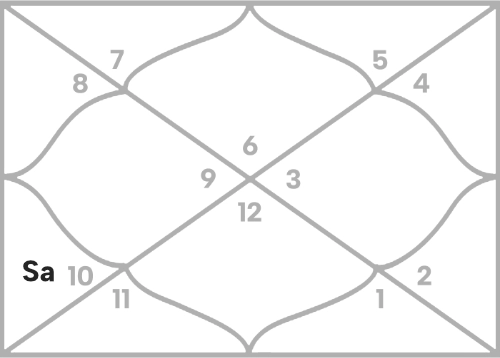
For Virgo Ascendant, Saturn rules both the 5th house of intelligence, education, children, romance, creativity, and Purva Punya, and the 6th house of employment, service, debts, disputes, and health. When Saturn occupies the 5th house, Capricorn, it resides in its own sign, strengthening its capacity to express its qualities of discipline, endurance, structure, and long-term planning. Its 5th-house lordship connects it directly with the affairs of the house, while its 6th-house lordship introduces themes of responsibility, effort, and overcoming obstacles. The 5th house is a Trikona associated with intelligence, learning, creative expression, and the fruits of past actions. Saturn’s placement here can give the native a serious, methodical, and analytical approach to knowledge. Rather than relying on quick inspiration or spontaneous experimentation, the person may prefer to build expertise gradually through study, practice, and careful evaluation. This can support subjects that demand concentration and structure, including mathematics, research, management, technical disciplines, and systematic forms of creative work. The native may be a rational thinker who values evidence, consistency, and practical application, and may eventually become a dependable teacher, mentor, or adviser through accumulated experience. In romance, Saturn can encourage caution and a preference for commitment over casual involvement. The native may take time to trust others or may seek relationships that demonstrate maturity, loyalty, and shared responsibility. Romantic experiences may feel serious, particularly when personal expectations are high, but delay or a limited number of relationships should not be assumed from this placement alone. Matters concerning children also require careful judgement. Saturn in its own 5th house may indicate a serious attitude towards parenthood and a strong sense of responsibility, but it does not independently establish delayed childbirth, fewer children, or difficulties with children. Jupiter, the natural significator of children, and the relevant houses and divisional charts must also be considered.
Saturn casts its special 3rd, 7th, and 10th aspects. From Capricorn, its 3rd aspect falls on Pisces, the 7th house of marriage, partnerships, contracts, and public relationships. This connects the 5th house of romance with the 7th house of committed partnership, potentially encouraging the native to approach love with long-term intentions. Romantic relationships may develop into serious commitments when supported by compatibility and favourable planetary conditions. However, Saturn’s aspect can also make the native cautious about emotional vulnerability or inclined to evaluate relationships primarily through responsibility and practicality. Jupiter, as the 7th lord, and Venus as the natural significator of relationships must be examined before drawing conclusions about marriage. Saturn’s 7th aspect falls on Cancer, the 11th house of income, gains, fulfilment of desires, friendships, and social networks. This creates a connection between intelligence, education, creative efforts, and the gradual realisation of ambitions. The native may benefit from applying specialised knowledge to long-term projects, building professional networks patiently, or turning creative abilities into reliable sources of income. Gains may require persistence and careful planning, but Saturn’s own-sign strength can support sustained effort when the wider Kundali is favourable. The Moon, as the 11th lord, remains important in judging income and the fulfilment of desires. Saturn’s 10th aspect falls on Libra, the 2nd house of accumulated wealth, family, speech, and values. This links the 5th house with financial planning and communication, potentially supporting a measured approach to investments, education-related expenses, and family responsibilities. The native may prefer conservative financial decisions and may develop an ability to explain complex matters in a structured, practical manner. Since Venus rules the 2nd house, its condition is important in assessing wealth and family matters. These aspects can support the disciplined development of intelligence and resources, although financial gains, romantic outcomes, and educational achievements still depend on the relevant planetary strengths and operating Dasha.
Saturn in its own 5th house can favour patience, intellectual discipline, and the ability to remain focused on demanding goals over long periods. The native may excel where success depends on careful analysis, systematic research, management, technical expertise, or the transmission of knowledge. Teaching and mentoring can become meaningful pursuits, particularly as the person gains experience and learns to explain complex ideas with clarity and precision. Saturn’s 6th-house lordship can strengthen the capacity to work through difficult material, handle competition, and persist when progress is slow. However, the same seriousness may sometimes produce excessive self-criticism, reluctance to experiment, or the tendency to treat creative activities as obligations rather than sources of enjoyment. Allowing room for play, curiosity, and imperfect first attempts can help balance Saturn’s preference for structure. In romance, emotional reserve should not prevent the native from expressing affection or discussing personal needs. Reliability is valuable in a relationship, but warmth and spontaneity also contribute to intimacy. Regarding children, Saturn may encourage a conscientious and structured parenting style, although the native should avoid placing excessive pressure on children to meet high standards. The condition of Saturn, Jupiter, Venus, Mercury, and the relevant houses must be considered before making more specific judgements about education, romance, or progeny. Ultimately, Saturn in the 5th house for Virgo Ascendant can support a disciplined intellect, serious creative commitment, and the capacity to guide others through accumulated wisdom. Its strongest expression emerges when structure is balanced with flexibility, responsibility with affection, and long-term ambition with the willingness to enjoy the learning process itself.
Saturn in 6th House for Virgo Ascendant
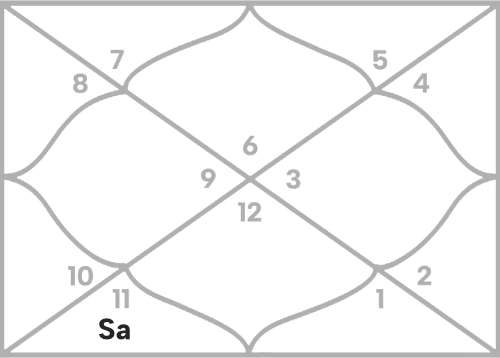
For Virgo Ascendant, Saturn rules the 5th house of intelligence, education, children, creativity, and Purva Punya, as well as the 6th house of employment, service, debts, disputes, disease, and competition. When Saturn occupies the 6th house, Aquarius, it resides in its own sign, strengthening its capacity to express discipline, perseverance, endurance, and a practical approach to difficulties. The 6th house is a Dusthana and an Upachaya, associated with obstacles that can be managed through sustained effort, making it a significant placement for Saturn’s patient and methodical nature. Saturn is also a natural significator of labour, hardship, and prolonged responsibilities, so its placement in its own 6th house can support the ability to confront demanding circumstances without abandoning a task prematurely. For Virgo Ascendant, Saturn’s functional role is mixed because it combines the auspicious lordship of the 5th house with the challenging lordship of the 6th house. Its 5th-house lordship can bring intelligence, planning, and sound judgement to the handling of practical problems, while its 6th-house lordship reinforces themes of service, employment, competition, and the management of obligations. The native may be hardworking, detail-oriented, and capable of following procedures carefully, particularly in environments where consistency and accountability matter. Professions involving administration, law, healthcare systems, research, public service, compliance, or operations may suit these qualities, although specific career outcomes depend on Mercury as the 10th lord and the wider Kundali. Saturn in Aquarius can also encourage an organised and systematic approach to workplace challenges, with a preference for solving problems through structure rather than improvisation. The native may gradually become skilled at handling responsibilities that others find tedious or overwhelming. However, this strength is most constructive when persistence is combined with flexibility, since rigid methods may not always be appropriate for changing circumstances.
Saturn casts its special 3rd, 7th, and 10th aspects. From Aquarius, its 3rd aspect falls on Aries, the 8th house of longevity, transformation, joint assets, inheritance, and hidden matters. This connection can encourage caution when dealing with shared finances, uncertain circumstances, or responsibilities that require long-term planning. The native may be willing to investigate complex problems and work patiently through situations that cannot be resolved immediately. However, Mars, as the 8th lord, is essential in assessing the results of 8th-house matters, and Saturn’s aspect alone cannot establish inheritance, sudden losses, or longevity. Saturn’s 7th aspect falls on Leo, the 12th house of expenditure, foreign lands, isolation, sleep, and spiritual retreat. This links employment and daily responsibilities with expenses, rest, and periods of withdrawal. The native may work in large institutions, hospitals, government establishments, or organisations where duties continue behind the scenes, although such possibilities require support from the 10th house and its lord. Saturn’s influence can encourage careful budgeting and a responsible attitude towards obligations, but excessive work may reduce the time available for rest if boundaries are not maintained. Saturn’s 10th aspect falls on Scorpio, the 3rd house of initiative, communication, courage, practical skills, and younger siblings. This connection can support persistence in learning technical skills, writing, research, and other activities that require repeated practice. The native may develop confidence through experience rather than impulsive action and may become dependable in situations requiring discretion and sustained effort. Mars, the 3rd lord, and Mercury, the Ascendant and 10th lord, are important in judging how effectively these qualities translate into personal initiative and professional achievement. Because Saturn occupies its own 6th house, its influence may be especially relevant to employment, competition, and the management of routine obligations. Even so, the results depend on Saturn’s associations, aspects from other planets, and the operating Dasha.
Saturn in the 6th house can support a practical attitude towards difficulties, encouraging the native to address problems methodically rather than expecting them to disappear on their own. The person may be able to maintain focus during demanding periods, manage complex responsibilities, and work steadily towards resolving disputes or meeting professional obligations. This placement can be useful in competitive environments where preparation, endurance, and attention to detail are more valuable than quick displays of confidence. As the 5th lord, Saturn can bring analytical intelligence and disciplined judgement to the resolution of problems, while its 6th-house lordship reinforces the importance of service and consistent effort. However, a strong sense of duty can become counterproductive if the native assumes that every difficulty must be handled alone or that rest is something to be earned only after all work is complete. Saturn’s natural association with prolonged responsibilities also makes sustainable routines important. The placement alone does not establish chronic disease or specific disorders involving bones, digestion, or stress. Health must be assessed through the complete Kundali, and actual symptoms should be evaluated through appropriate medical care. Regular exercise, sufficient sleep, balanced nutrition, and sensible management of work demands are useful practical measures regardless of astrological placement. The native should also recognise that effective service includes maintaining personal wellbeing rather than continually sacrificing it. Mercury’s condition, the Ascendant, and relevant health significators must be considered before making any astrological judgement about physical vitality. Ultimately, Saturn in the 6th house for Virgo Ascendant can support resilience, disciplined work, and the capacity to manage difficult responsibilities over time. Its strongest expression emerges when silent endurance is combined with intelligent problem-solving, healthy boundaries, and the understanding that steady progress is more sustainable than constant struggle.
Saturn in 7th House for Virgo Ascendant

For Virgo Ascendant, Saturn rules the 5th house of intelligence, education, children, creativity, and Purva Punya, as well as the 6th house of employment, service, debts, disputes, and health. When Saturn occupies the 7th house, Pisces, these significations connect with marriage, committed relationships, business partnerships, contracts, and public dealings. The 7th house is a Kendra and a Maraka house, so Saturn’s placement here brings particular importance to the responsibilities and long-term consequences of partnership. Saturn is a natural malefic, but its functional role for Virgo Ascendant is mixed because it combines 5th-house Trikona lordship with 6th-house Dusthana lordship. Pisces is ruled by Jupiter, a natural neutral of Saturn, so Saturn does not occupy a particularly strong or weak dignity by sign alone. Jupiter’s condition is therefore important in assessing how Saturn’s influence manifests in relationships. This placement can make the native cautious and serious about commitment, preferring relationships that demonstrate reliability, maturity, and shared responsibility. The person may take time to trust a prospective partner or may approach marriage as a long-term undertaking rather than simply a romantic experience. Marriage may occur later than expected in some circumstances, or the native may be drawn to a partner who is mature, responsible, or already accustomed to carrying significant obligations. However, delay, an older spouse, or marital difficulty cannot be concluded from Saturn’s placement alone. The condition of the 7th lord Jupiter, Venus as the natural significator of relationships, the Navamsha, and the operating Dasha must also be considered. Saturn can favour commitment that strengthens through shared experience, particularly when both partners understand their responsibilities and respect each other’s boundaries. Its influence may make the native less demonstrative in expressing affection, but emotional reserve does not necessarily indicate an absence of love. The relationship may instead rely heavily on practical support, consistency, and the ability to remain dependable during difficult periods.
Saturn casts its special 3rd, 7th, and 10th aspects. From Pisces, its 3rd aspect falls on Taurus, the 9th house of fortune, Dharma, higher education, teachers, father, and long-distance journeys. This connects partnerships with shared beliefs, ethical principles, education, and long-term life direction. The native may seek a spouse with whom they can build a stable future around common values, and marriage may influence decisions about education, travel, or spiritual commitments. Differences in beliefs can require patience and respectful discussion, particularly when each partner has strong convictions. Venus, as the 9th lord, is important in judging fortune and the role of shared principles in partnership. Saturn’s 7th aspect falls on Virgo, the 1st house of personality, health, temperament, and life direction. This creates a direct relationship between the Ascendant and the 7th house, making partnerships influential in shaping the native’s sense of responsibility and personal development. The native may become more disciplined through marriage or learn to balance individual preferences with the needs of a partner. At times, however, the weight of relationship obligations may make the person overly self-critical or inclined to suppress personal needs to preserve stability. Mercury, as the Ascendant lord, is important in understanding how the native navigates this balance. Saturn’s 10th aspect falls on Sagittarius, the 4th house of home, mother, property, education, and domestic happiness. This links marriage and partnership responsibilities with home life and family obligations. The couple may need to approach property, household duties, or family expectations with clear planning and mutual accountability. Saturn’s influence can support a structured approach to building a stable home, but it may also make domestic responsibilities feel weighty if emotional needs are neglected. Jupiter, as the 4th lord and ruler of the occupied sign, is essential in judging domestic outcomes. In business partnerships, Saturn’s influence can favour defined roles, careful agreements, and a realistic understanding of obligations. Clear contracts and transparent financial arrangements are especially useful, but success still depends on the competence and integrity of the people involved.
Saturn in the 7th house can teach the native that enduring relationships require patience, mutual respect, and the willingness to work through ordinary difficulties without expecting constant excitement or effortless agreement. The person may value loyalty and consistency, often judging the strength of a partnership by how reliably both parties fulfil their commitments. This can support long-lasting relationships when affection is expressed alongside practical responsibility. However, Saturn’s serious influence may sometimes produce emotional distance, excessive caution, or a tendency to treat a relationship primarily as a duty. The native benefits from expressing appreciation and vulnerability openly rather than assuming that providing stability is sufficient to sustain intimacy. A partner should be regarded as a companion with independent needs and aspirations, not simply as someone who shares responsibilities. If Saturn is afflicted or poorly supported, disagreements, dissatisfaction, or feelings of isolation may become more prominent, but these outcomes cannot be determined from the 7th-house placement alone. The condition of Jupiter, Venus, the 7th house, the Navamsha, and relevant planetary periods must be examined together. Saturn’s 5th-house lordship can support thoughtful judgement and a mature approach to romance, while its 6th-house lordship may bring practical disagreements or shared obligations into focus. Learning to resolve conflict fairly rather than allowing resentment to accumulate is therefore important. In professional partnerships, patience and clear expectations can be strengths, provided caution does not turn into inflexibility or mistrust. Ultimately, Saturn in the 7th house for Virgo Ascendant can support a serious, dependable approach to marriage and collaboration, with relationships potentially growing stronger through time and shared experience. Its best expression emerges when duty is balanced with warmth, patience with honest communication, and commitment with the continuing effort to understand one another.
Saturn in 8th House for Virgo Ascendant
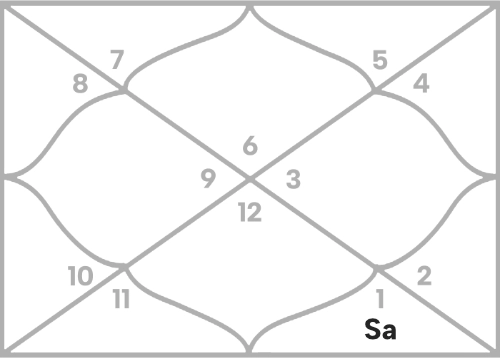
For Virgo Ascendant, Saturn rules the 5th house of intelligence, education, children, creativity, and Purva Punya, as well as the 6th house of employment, service, debts, disputes, and health. When Saturn occupies the 8th house, Aries, these significations connect with longevity, sudden changes, inheritance, joint assets, taxes, insurance, hidden matters, and profound personal transformation. The 8th house is a Dusthana associated with uncertainty, vulnerability, and circumstances that require a person to confront what cannot be fully controlled. Saturn’s natural association with endurance, delay, responsibility, and sustained effort can make its placement here demanding, particularly because Saturn is debilitated in Aries. Aries is ruled by Mars, the 3rd and 8th lord for Virgo Ascendant, and Saturn occupies a sign ruled by its natural enemy. Mars’s condition therefore becomes especially important in determining how Saturn’s significations unfold. This placement may make the native cautious about uncertainty, shared obligations, and situations where outcomes depend on other people. The person may prefer to establish clear boundaries and maintain control over practical arrangements, especially when financial security or emotional vulnerability is involved. However, Saturn’s influence can also support patience during prolonged difficulties and a willingness to examine complicated matters carefully rather than reacting impulsively. As the 5th lord in the 8th house, Saturn connects intelligence, education, children, and Purva Punya with research, hidden knowledge, and transformative experiences. The native may be drawn to subjects requiring sustained investigation, including research, insurance, taxation, risk assessment, Jyotisha, or other specialised fields involving complex systems. Its 6th-house lordship adds themes of debts, disputes, service, and the management of obligations, potentially making careful handling of liabilities and shared responsibilities especially important. Nevertheless, the 8th house is complex, and Saturn’s debilitated dignity means that outcomes must be judged through the strength of Mars, Saturn’s associations, and the overall Kundali rather than assumed from placement alone.
Saturn casts its special 3rd, 7th, and 10th aspects. From Aries, its 3rd aspect falls on Gemini, the 10th house of profession, authority, reputation, and karma. This connects 8th-house matters with career, potentially supporting work that involves research, investigation, risk management, insurance, taxation, compliance, or the handling of confidential information. The native may be suited to responsibilities that require patience, discretion, and the ability to remain composed when resolving complex problems, although specific professional outcomes depend on Mercury as the 10th lord and other career indicators. Saturn’s 7th aspect falls on Libra, the 2nd house of accumulated wealth, family, speech, and values. This creates a direct relationship between joint resources and personal finances, making budgeting, financial transparency, and careful management of family obligations particularly relevant. The native may take a conservative approach to money or prefer to build security gradually rather than rely on uncertain gains. Inheritance, settlements, shared investments, or a partner’s finances may require patience and clear documentation, but delays or disputes cannot be concluded from this aspect alone. Venus, as the 2nd lord, is important in judging financial stability and family resources. Saturn’s 10th aspect falls on Capricorn, the 5th house, which Saturn itself rules. This connects the 8th house with intelligence, education, children, creativity, and Purva Punya. The native may develop an interest in research-intensive learning or subjects that require concentration and the examination of hidden causes. The aspect may also encourage a serious attitude towards education, creative work, and responsibilities involving children. However, Saturn’s debilitation in Aries and the condition of Mars must be considered when evaluating the strength of these results. Jupiter, as the natural significator of wisdom and children, and the 5th lordship of Saturn itself are relevant when assessing matters of education and progeny. Taken together, these aspects connect uncertainty and shared responsibilities with career, financial management, and intellectual development. They may encourage a careful and structured approach to complex situations, but the final outcomes depend on the strength of the relevant houses and planets.
Saturn in the 8th house can encourage the native to develop resilience through experiences that require patience, realistic planning, and the acceptance of uncertainty. The person may initially feel uncomfortable when circumstances change unexpectedly or when financial and emotional security depends on other people. Over time, however, a deliberate approach to difficult situations can strengthen judgement and the ability to support others during periods of crisis. This does not mean that hardship is necessary for personal growth, nor does the placement guarantee psychological depth or exceptional crisis-management skills. These qualities develop through experience, reflection, and practical choices. In relationships, shared finances, trust, privacy, and mutual responsibility may require particular attention. The native benefits from discussing financial expectations openly, maintaining appropriate records, and avoiding the assumption that every uncertainty must be controlled. Saturn’s influence can sometimes lead to excessive caution or a reluctance to seek help, especially when vulnerability feels uncomfortable. Learning to distinguish prudent preparation from fear-driven control can make this placement more constructive. Professionally, research, insurance, auditing, risk management, taxation, and specialised investigative work may be suitable possibilities when supported by Mercury and the wider career configuration. Interest in occult sciences or Jyotisha may also develop through a desire to understand hidden patterns, but sound study and discernment are more useful than treating every event as a fixed karmic outcome. Saturn’s debilitation should be assessed alongside any genuine cancellation conditions and the strength of its dispositor Mars, rather than interpreted as unmitigated weakness. The operating Dasha and planetary associations also influence how the placement manifests. Ultimately, Saturn in the 8th house for Virgo Ascendant highlights the importance of patience, careful management of shared responsibilities, and maturity in the face of uncertainty. Its constructive expression lies in developing resilience without becoming rigid, accepting impermanence without abandoning practical responsibility, and using difficult knowledge to make wiser decisions.
Saturn in 9th House for Virgo Ascendant

For Virgo Ascendant, Saturn rules the 5th house of intelligence, education, children, creativity, and Purva Punya, as well as the 6th house of employment, service, debts, disputes, and health. When Saturn occupies the 9th house, Taurus, these significations connect with Dharma, higher education, teachers, father, philosophy, long-distance travel, and the development of personal principles. The 9th house is a Trikona associated with fortune, higher knowledge, ethical conduct, and the pursuit of wisdom. Saturn’s placement here brings a serious, methodical, and experience-oriented approach to these matters. Taurus is ruled by Venus, a natural friend of Saturn, so Saturn occupies a sign that supports its qualities of patience, endurance, and practical judgement. The native may prefer to examine religious teachings, philosophical systems, and inherited traditions carefully rather than accepting them solely on the basis of authority. Early experiences may involve questions about established beliefs, demanding educational circumstances, or a gradual process of discovering which principles are genuinely meaningful. However, obstacles in education or conflict with teachers are not inevitable. Saturn’s 5th-house lordship can support disciplined learning and the ability to concentrate on complex subjects, while its 6th-house lordship connects higher education with service, practical obligations, and sustained effort. The native may favour knowledge that can be tested through experience and applied to real problems. Formal qualifications may be pursued methodically, sometimes alongside employment or other responsibilities. The person may also develop an interest in law, philosophy, ethics, history, administration, or teaching, especially where knowledge must be interpreted carefully and applied consistently. Saturn in the 9th house can make the development of wisdom a gradual process, with convictions becoming more settled through study, responsibility, and direct experience rather than through unquestioning acceptance. Its results nevertheless depend on Saturn’s strength, Venus as the dispositor of Saturn in Taurus, and the overall configuration of the Kundali.
Saturn casts its special 3rd, 7th, and 10th aspects. From Taurus, its 3rd aspect falls on Cancer, the 11th house of income, gains, fulfilment of desires, friendships, and social networks. This connects higher learning, principles, and long-term commitments with professional networks and ambitions. The native may build useful associations gradually, particularly with people who value reliability, experience, and practical knowledge. Gains may arise through education, teaching, administration, or sustained involvement in established institutions, although financial outcomes depend on the Moon as the 11th lord and the wider wealth combinations. Saturn’s 7th aspect falls on Scorpio, the 3rd house of communication, initiative, practical skills, courage, and younger siblings. This creates a relationship between higher knowledge and personal effort, potentially supporting research, writing, disciplined communication, and the gradual development of specialised skills. The native may prefer to communicate carefully and may become an effective teacher or guide by explaining ideas through practical examples. Progress in writing, publishing, or other communication-based pursuits may require persistence, but Saturn’s aspect does not independently guarantee either delay or success. Mars, as the 3rd lord, is important in assessing initiative and communication. Saturn’s 10th aspect falls on Aquarius, the 6th house, which Saturn itself rules. This links Dharma and higher knowledge with employment, service, competition, debts, disputes, and the management of daily responsibilities. The native may seek to apply principles in practical settings, including law, public administration, education, compliance, or service-oriented work. Saturn’s influence can support persistence in demanding environments and a willingness to address problems through established procedures. However, ethical convictions should remain open to reasoned examination, especially when professional obligations involve competing interests. Venus, as the 9th lord and dispositor of Saturn in Taurus, is especially important in determining the quality of higher learning, fortune, teachers, and long-distance journeys. The Sun and other relevant factors also contribute to assessing the father and authority figures. These aspects connect the pursuit of knowledge with networks, personal effort, and service, encouraging the native to make learning useful through sustained application.
Saturn in the 9th house can produce a philosophy grounded in responsibility, patience, and the lessons of lived experience. The native may become increasingly interested in the practical meaning of Dharma and may judge beliefs by whether they promote ethical conduct and withstand thoughtful examination. Travel may be undertaken for education, professional duties, pilgrimage, or other purposeful reasons rather than simply for leisure, although the actual likelihood of foreign or long-distance travel depends on the complete Kundali. Relationships with the father, teachers, or mentors may involve a strong emphasis on duty, high expectations, or differences in outlook. Such relationships can mature into sources of lasting guidance, but conflict or estrangement should not be inferred from Saturn’s placement alone. The native may eventually become a teacher, mentor, adviser, or guide whose authority comes from accumulated knowledge and practical experience. This potential is particularly relevant when Saturn’s 5th-house lordship supports disciplined intelligence and its 6th-house lordship encourages the application of knowledge to real-world challenges. However, the person should avoid becoming so attached to hard-earned convictions that new evidence or alternative perspectives are dismissed. Saturn’s emphasis on tradition and structure is most constructive when paired with humility and a willingness to continue learning. The native may also need to recognise that wisdom can arise through joy, cooperation, and supportive guidance, not only through hardship or prolonged struggle. Venus’s condition, Saturn’s associations, the strength of the 5th and 9th houses, and the operating Dasha all influence how this placement manifests. Ultimately, Saturn in the 9th house for Virgo Ascendant can support serious scholarship, ethical reflection, and a philosophy developed through sustained effort. Its strongest expression emerges when patience is combined with intellectual openness, traditional knowledge with practical understanding, and personal conviction with humility.
Saturn in 10th House for Virgo Ascendant
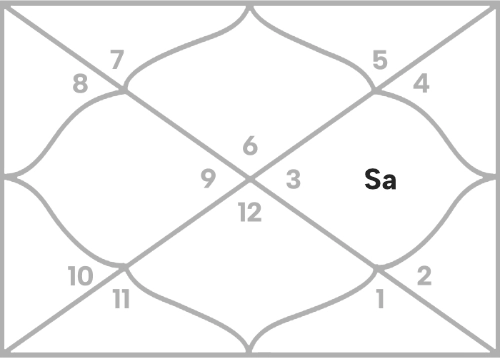
For Virgo Ascendant, Saturn rules the 5th house of intelligence, education, children, creativity, and Purva Punya, as well as the 6th house of employment, service, competition, and obstacles. When Saturn occupies the 10th house in Gemini, it influences Karma, profession, authority, public reputation, and responsibilities. The 10th house is a Kendra and an Upachaya, where Saturn’s qualities of discipline, patience, perseverance, and accountability can become productive over time. However, Saturn is not directionally strong in Gemini merely by occupying the 10th house. Saturn receives Dig Bala, or directional strength, in the 7th house, so this distinction is important. Nevertheless, its placement in the 10th can support a methodical approach to professional life, particularly when Saturn is well placed by sign, association, and overall planetary strength. The native may be ambitious but generally prefers to build credibility through sustained work rather than quick recognition. As the 5th lord, Saturn connects intelligence, planning, and discernment with professional responsibilities, while its 6th lordship links career development with service, competition, and the ability to manage demanding workloads. The person may willingly begin with modest responsibilities, learn through practical experience, and gradually move towards positions requiring sound judgement and accountability. Early career progress may involve delays, changes in direction, or responsibilities that exceed immediate rewards, but these experiences can develop professional maturity. Gemini, ruled by Mercury, adds themes of communication, analysis, information, commerce, and technical or intellectual work. This can favour careers involving administration, research, education, law, systems management, engineering, or large organisations, depending on Mercury’s condition and the wider Kundali. Saturn in the 10th house does not guarantee success in every profession, but it can reward a patient, structured approach to long-term goals.
Saturn’s aspects further connect professional responsibilities with important areas of life. Its 3rd aspect falls on Leo, the 12th house of expenditure, foreign lands, isolation, sleep, and institutional environments. This can link career responsibilities with foreign organisations, hospitals, research facilities, multinational companies, or work conducted behind the scenes. The native may also devote considerable time and resources to professional development, making it important to maintain a sustainable balance between work and personal life. Its 7th aspect falls on Sagittarius, the 4th house of home, property, mother, education, and emotional foundations. This can create a strong connection between career duties and domestic responsibilities. Professional commitments may influence decisions about residence, property, or family life, and the native may prioritise stability and practical security when making such decisions. The 10th aspect falls on Pisces, the 7th house of marriage, partnerships, clients, and business relationships. This connects professional reputation with the ability to establish dependable agreements and manage responsibilities towards others. Business partnerships may require clearly defined roles, patience, and careful planning, while clients may value the native’s consistency and reliability. However, excessive professional rigidity can create strain if personal relationships receive insufficient attention. Jupiter, the 4th and 7th lord placed in the 7th house by sign only when independently established, would be important to assess for partnerships, but its actual placement must be examined in the Kundali rather than assumed. Mercury, as the ruler of Gemini and the 1st and 10th lord, is particularly significant because it disposits Saturn and governs both the native’s identity and career. A strong Mercury can support analytical ability, communication, adaptability, and professional judgement, while affliction may complicate decision-making or career direction. Saturn’s condition, its associations, and the strength of the 10th house must therefore be considered before judging professional outcomes.
Over time, Saturn in the 10th house can support a reputation built on competence, consistency, and a willingness to accept responsibility. The native may be trusted with difficult assignments because they approach obligations seriously and are less inclined to abandon a task when progress becomes slow. Saturn’s 5th-house lordship can contribute strategic thinking and the ability to learn from experience, while its 6th-house lordship can help the person understand procedures, competition, and the practical demands of organisational life. These qualities may be useful in government service, law, engineering, administration, research, education, compliance, or other fields that require discipline and sustained effort. Yet the specific career cannot be determined from Saturn’s placement alone. Mercury, the 10th lord, the Sun as a significator of authority, the 6th house, and relevant planetary combinations all contribute to professional judgement. Nor does Saturn automatically promise delayed promotions followed by lasting success. The timing and quality of advancement depend on planetary strength, aspects, Dasha periods, and the overall condition of the 10th house. A challenging Saturn may instead manifest as excessive workload, frustration with authority, slow recognition, or a tendency to measure personal worth entirely through professional achievement. The native should therefore avoid allowing ambition to become inflexibility or treating every responsibility as a burden that must be carried alone. Ethical conduct is especially important because Saturn emphasises accountability and the consequences of sustained actions. When well supported, this placement can help the native build professional authority gradually and create work that remains valuable beyond immediate rewards. Its central lesson is to combine patience with adaptability, ambition with integrity, and professional commitment with a balanced approach to life.
Saturn in 11th House for Virgo Ascendant
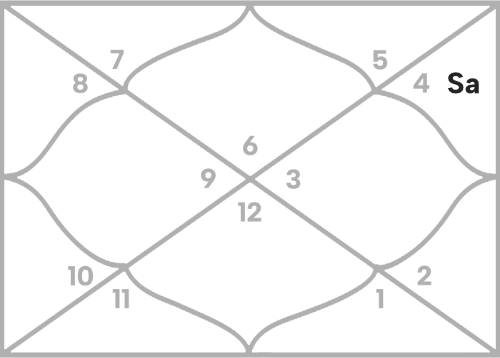
For Virgo Ascendant, Saturn rules the 5th house of intelligence, education, children, creativity, and Purva Punya, as well as the 6th house of employment, service, competition, and obstacles. When Saturn occupies the 11th house in Cancer, it influences income, financial gains, fulfilment of desires, social networks, elder siblings, and the realisation of long-term ambitions. The 11th house is an Upachaya, where the results of sustained effort can improve with time. Saturn’s placement here may make gains gradual rather than immediate, encouraging the native to pursue realistic objectives through patience, discipline, and consistent work. Cancer is ruled by the Moon, which is Saturn’s natural enemy and the 11th lord for Virgo Ascendant. This sign relationship can introduce some discomfort in matters involving emotional bonds, social expectations, and the pursuit of material ambitions. The native may prefer a smaller circle of dependable friends over a large network of casual acquaintances, valuing loyalty and practical support in relationships. Friendships may develop through work, shared responsibilities, education, or long-term projects rather than through purely social interactions. Saturn’s 5th-house lordship connects intelligence and planning with gains, potentially supporting income through specialised knowledge, teaching, research, or carefully developed skills. Its 6th-house lordship links financial progress with employment, service, competition, and the ability to solve practical problems. Consequently, the native may achieve more through sustained professional contribution than through speculation or the pursuit of quick rewards. However, Saturn in the 11th house does not automatically cause financial delay or restrict social progress. Its results depend on its strength, the condition of the Moon, planetary associations, and the overall relationship between the 2nd, 10th, and 11th houses.
Saturn casts its special 3rd, 7th, and 10th aspects from Cancer. Its 3rd aspect falls on Virgo, the 1st house of personality, physical constitution, outlook, and overall direction in life. This connects the native’s identity and personal efforts with long-term ambitions, potentially producing a serious, cautious, and goal-oriented temperament. The person may become increasingly self-reliant and disciplined while working towards financial security and meaningful achievements. However, excessive concern about responsibilities or future outcomes can sometimes lead to unnecessary self-restraint. Saturn’s 7th aspect falls on Capricorn, the 5th house, which Saturn itself rules. This creates a direct connection between gains and the significations of intelligence, education, children, creativity, and calculated judgement. It can favour systematic planning, disciplined study, and the gradual development of creative or intellectual pursuits into productive activities. Matters concerning children or education may be approached with considerable responsibility, although specific outcomes depend on the 5th house, its lordship, Jupiter, and other relevant factors. Saturn’s 10th aspect falls on Aries, the 8th house of transformation, shared assets, inheritance, uncertainty, and occult knowledge. This links financial ambitions with the need to manage risk, obligations, and changes in circumstances carefully. The native may prefer financial arrangements that are transparent and sustainable, particularly when dealing with joint resources or long-term commitments. Mars, as the 8th lord, and the condition of the 2nd and 11th lords are important when evaluating wealth and financial stability. The Moon, as the dispositor of Saturn and the 11th lord, is especially significant. Its dignity, house placement, and associations can substantially modify Saturn’s results, including the quality of friendships, the flow of income, and the native’s ability to fulfil ambitions.
Over time, Saturn in the 11th house can support the development of dependable networks, sustainable earnings, and achievements that rest on a solid foundation. The native may find opportunities through established organisations, professional associations, structured teams, public institutions, or communities united by a practical objective. Saturn’s influence can be useful in roles involving administration, social welfare, institutional reform, long-term planning, or community leadership, particularly when other career factors support such work. The 5th lordship also suggests that knowledge, thoughtful judgement, and the disciplined use of creativity can contribute to the fulfilment of ambitions. Its 6th lordship emphasises the importance of service, perseverance, and the ability to work through competition or organisational difficulties. Nevertheless, a smaller social circle should not be mistaken for social isolation, nor should delayed gains be assumed without examining the full Kundali. If Saturn is afflicted or the Moon is weak, the native may experience dissatisfaction with friendships, inconsistent expectations from networks, or a tendency to work excessively without feeling adequately rewarded. In more constructive conditions, the person can become a reliable member of a group who values collective progress over personal recognition. Financial growth may be strongest when goals are clearly defined and resources are managed with patience rather than driven by comparison or immediate gratification. The native should also remain open to emotional connection and spontaneous opportunities instead of judging every relationship solely by its practical value. Ultimately, Saturn in the 11th house for Virgo Ascendant emphasises the gradual cultivation of gains, friendships, and ambitions through responsibility and sustained effort. Its deeper lesson is that meaningful fulfilment comes from building something durable and contributing to purposes that extend beyond immediate personal benefit.
Saturn in 12th House for Virgo Ascendant
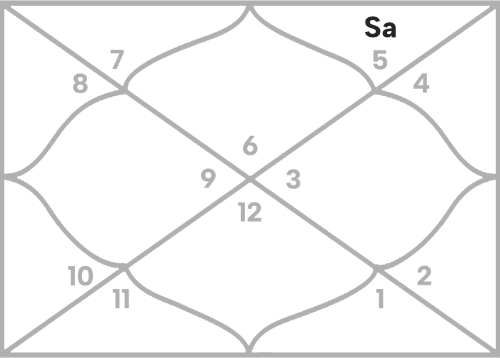
For Virgo Ascendant, Saturn rules the 5th house of intelligence, education, children, creativity, and Purva Punya, as well as the 6th house of employment, service, illness, debts, and obstacles. When Saturn occupies the 12th house in Leo, it influences expenditure, foreign lands, isolation, sleep, private life, spiritual retreat, and liberation. The 12th house is associated with withdrawal from worldly activity, the relinquishment of attachments, and experiences that unfold away from public attention. Saturn’s placement here can encourage introspection, restraint, and a serious approach to spiritual practice. However, Leo is ruled by the Sun, Saturn’s natural enemy, and the Sun is also the 12th lord for Virgo Ascendant. This relationship can create tension between Saturn’s preference for humility, duty, and gradual effort and Leo’s association with authority, recognition, and personal dignity. The native may periodically feel burdened by responsibilities that remain unseen or may require solitude to recover from demanding circumstances. If Saturn is afflicted, there may be difficulties establishing a restful routine, feelings of isolation, excessive worry, or a tendency to withdraw from others when under pressure. Such experiences are not inevitable, and sleep or health concerns must be assessed through the complete Kundali rather than attributed to Saturn alone. Saturn’s 5th-house lordship connects the placement with contemplation, disciplined study, mantra practice, and the pursuit of deeper knowledge. Its 6th-house lordship links service and the management of difficulties with the 12th house’s themes of institutions, expenditure, and seclusion. This can support sustained work in hospitals, charitable organisations, rehabilitation facilities, research institutions, or other settings where patience and quiet service are required. The results depend significantly on the Sun as Saturn’s dispositor, Saturn’s dignity and associations, and the overall condition of the 6th and 12th houses.
Saturn casts its special 3rd, 7th, and 10th aspects from Leo. Its 3rd aspect falls on Libra, the 2nd house of family, accumulated wealth, speech, and food habits. This connects expenditure and private responsibilities with financial management and family obligations. The native may need to budget carefully, particularly when supporting dependants, pursuing education, travelling, or living away from the birthplace. With disciplined planning, this influence can encourage prudent spending and a preference for financial security over unnecessary display. Venus, the 2nd lord and 9th lord for Virgo Ascendant, is important in determining the quality of savings, family support, and fortune. Saturn’s 7th aspect falls on Aquarius, the 6th house, which Saturn itself rules. This creates a strong connection between the 12th house and matters of employment, service, illness, debt, competition, and the resolution of disputes. The native may be suited to work requiring persistence behind the scenes, including institutional administration, healthcare support, research, or service to vulnerable communities. The connection can also highlight the need to manage obligations before they accumulate, although it does not by itself establish chronic illness, debt, or confinement. Saturn’s 10th aspect falls on Taurus, the 9th house of Dharma, higher education, teachers, father, fortune, and long-distance journeys. This links spiritual development and private responsibilities with philosophical understanding, formal learning, and purposeful travel. The native may develop beliefs through personal practice and sustained reflection rather than unquestioning acceptance of tradition. Long-distance travel or residence abroad may become relevant, but these outcomes require confirmation from other travel and foreign-settlement indicators. Venus, as the ruler of Taurus and Saturn’s dispositor, is especially important in judging these matters. The Sun’s condition also deserves attention because it rules both Leo, where Saturn is placed, and the 12th house itself. These planetary relationships determine whether Saturn’s influence is expressed more constructively through disciplined solitude and service or more challengingly through burdens, excessive expenditure, and withdrawal.
Saturn in the 12th house can encourage a gradual reorientation from external achievement towards inner stability, spiritual discipline, and the responsible use of personal resources. The native may benefit from regular meditation, contemplative study, structured spiritual practice, or periods of solitude that allow reflection without becoming disconnected from everyday responsibilities. Saturn’s 5th-house lordship can support sustained mantra practice, serious engagement with traditional spiritual teachings, and the patient investigation of philosophical or esoteric subjects. Its 6th-house lordship may also draw the person towards service involving the sick, elderly, disadvantaged, or socially neglected. Such work can become meaningful when it is undertaken with practical boundaries rather than through self-sacrifice that leads to exhaustion. The placement may also connect professional or personal life with hospitals, charitable institutions, foreign organisations, or work conducted away from public attention, depending on the 10th lord Mercury and other relevant factors. If Saturn is challenged, the native should be mindful of excessive isolation, persistent guilt, rigid austerity, or the belief that suffering is necessary for spiritual progress. Saturn’s symbolism of renunciation does not require abandoning healthy relationships, material stability, or ordinary pleasures. Likewise, forgiveness and non-attachment are better understood as ways of reducing the hold of resentment and fear, not as an obligation to tolerate harmful circumstances. The condition of the Sun, Saturn’s associations, the strength of the 5th and 12th houses, and the operating Dasha all influence how this placement manifests. Ultimately, Saturn in the 12th house for Virgo Ascendant can support inward maturity, disciplined spiritual practice, and quiet service when its energies are channelled constructively. Its central lesson is to distinguish meaningful solitude from isolation, responsible sacrifice from depletion, and genuine detachment from withdrawal from life.
Final Thoughts
For Virgo Ascendants, Saturn plays a unique role as both a trine lord (5th) and a dusthana lord (6th), making it a teacher of both grace and challenge. Its placements bring lessons in discipline, service, and long-term thinking. When handled wisely, Saturn brings respect, intellectual depth, and professional excellence. When misunderstood, it can foster emotional rigidity, overwork, or a fear of vulnerability.
Saturn rewards Virgo’s natural practicality by helping the native build systems, structure, and service that stand the test of time. The journey with Saturn may feel slow, but the results are always real, earned, and enduring.
Curious to know how Saturn is influencing your life?
Ask Astrologer | Book Astro Consultation | Get Kundali Report