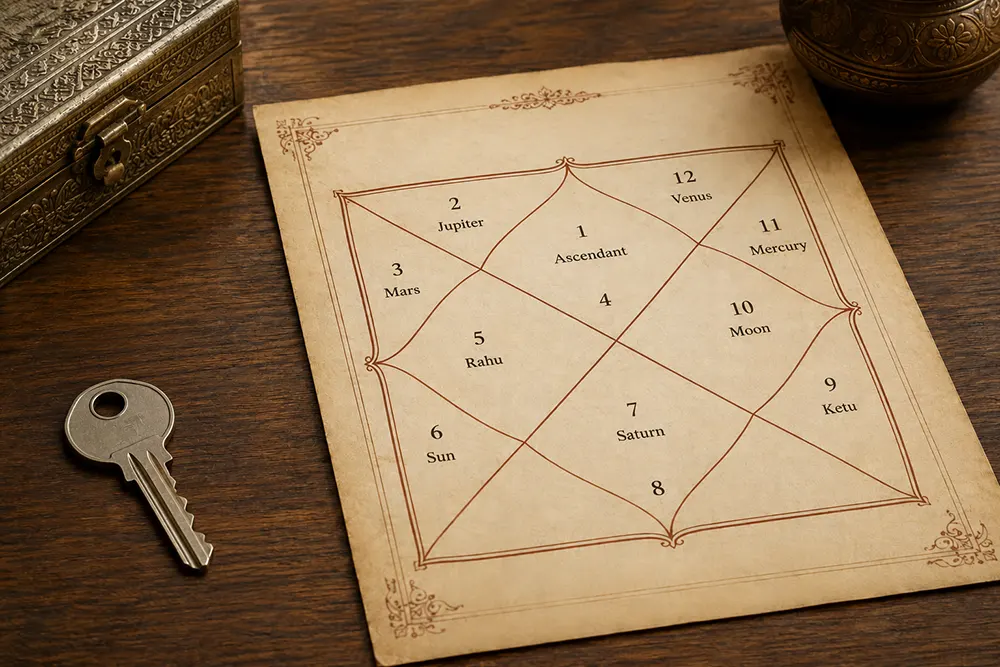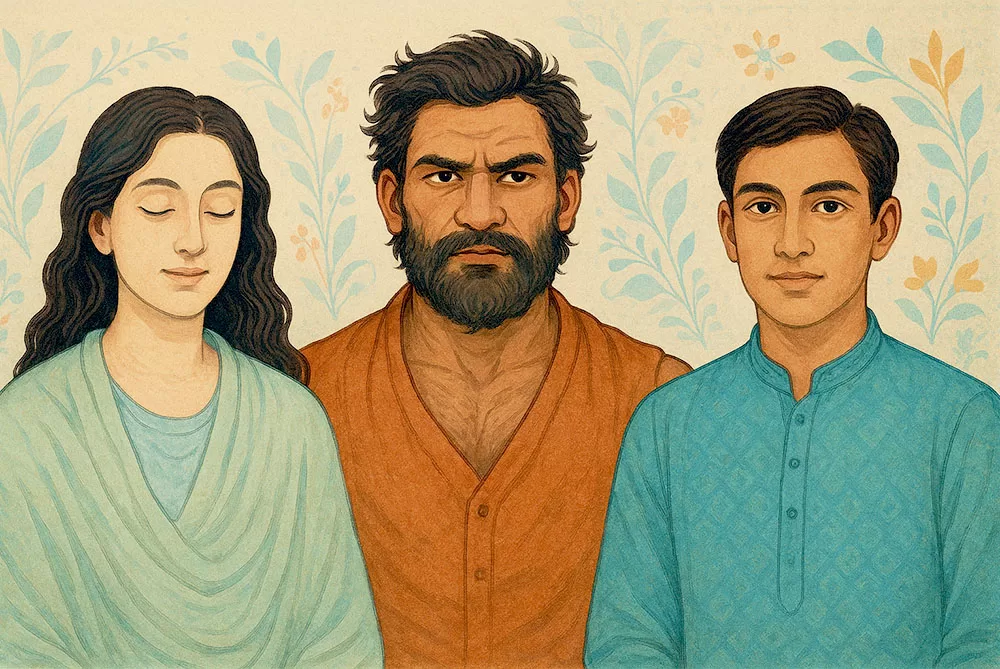

In Vedic Astrology, Gana refers to the inherent temperament or nature of a person, based on the Nakshatra they are born under. This ancient classification system plays a crucial role in personality assessment and Kundali matching (Ashtakoota Milan), especially in understanding compatibility between prospective partners.
There are three Ganas in total: Deva (divine), Manushya (human), and Rakshasa (demonic). Each Gana represents a distinct disposition and energy, and understanding them reveals much about a person’s instincts, behavior, and how they relate with others.
The Three Ganas in Astrology
1. Deva Gana (Divine Nature)
Keywords: Noble, calm, selfless, kind-hearted, spiritual, helpful.
Deva Gana individuals are marked by their serene presence, empathy, and naturally harmonious nature. They often radiate goodness and tend to avoid conflicts. These are the people who seek peace over power and prefer cooperation over confrontation. They’re drawn to spiritual, artistic, and service-oriented pursuits.
Personality Traits:
- Highly ethical and principled
- Emotionally balanced
- Respectful and modest
- Avoid drama and ego clashes
- Gentle in speech and actions
Challenges: They might sometimes appear too passive or overly accommodating, struggling to stand up for themselves.
2. Manushya Gana (Human Nature)
Keywords: Practical, ambitious, adaptable, balanced, worldly.
Manushya Gana people are grounded and realistic. They possess a blend of both divine and demonic traits, which makes them highly adaptable to different life circumstances. These individuals are social, intelligent, and pragmatic in relationships and decision-making.
Personality Traits:
- Driven by ambition and progress
- Emotionally perceptive
- Strong sense of identity
- Flexible and diplomatic
- Capable of both compassion and assertion
Challenges: They can sometimes get caught in moral dilemmas or struggle between selfish desires and higher ideals.
3. Rakshasa Gana (Demonic Nature)
Keywords: Strong-willed, bold, intense, dominant, passionate.
Rakshasa Gana individuals are fierce, assertive, and energetic. They’re known for their passion and intensity, which can manifest as leadership and innovation or, at times, as aggressiveness. While often misunderstood, they are not “evil”; instead, they represent the transformative and disruptive force in life.
Personality Traits:
- Fearless and independent
- Magnetic personality
- Unafraid of confrontation
- Strong desire for control or influence
- Quick to react, emotionally intense
Challenges: They can come off as dominating, argumentative, or overly forceful if not balanced with emotional awareness.
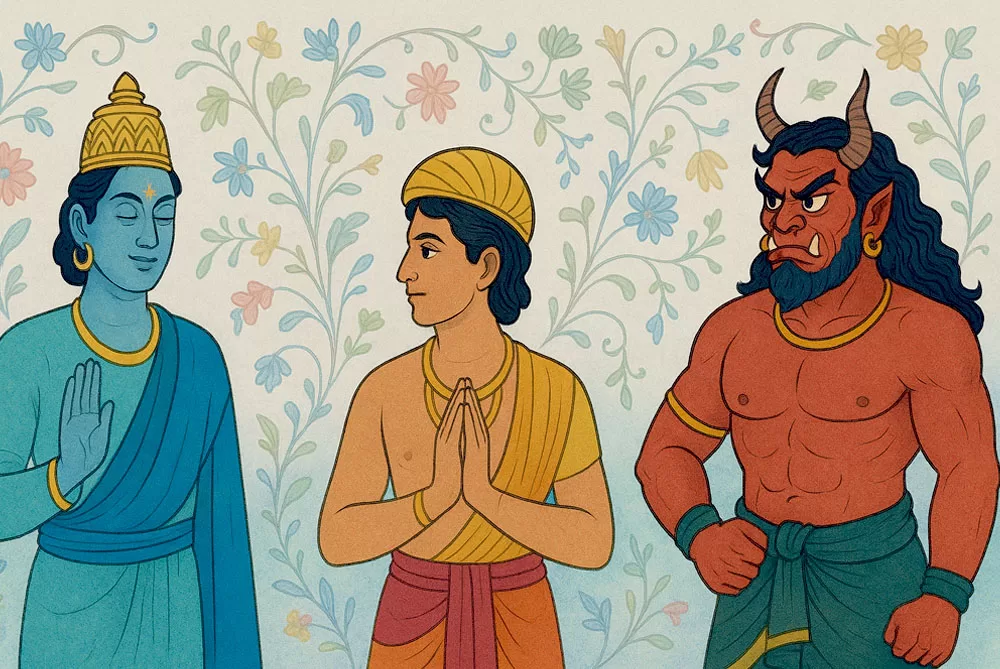
Nakshatras and Their Ganas
Here’s how the 27 Nakshatras are distributed among the three Ganas:
| Deva | Manushya | Rakshasa |
|---|---|---|
| Ashwini | Bharani | Krittika |
| Mrigashira | Rohini | Ashlesha |
| Punarvasu | Ardra | Magha |
| Pushya | Purva Phalguni | Chitra |
| Hasta | Uttara Phalguni | Vishakha |
| Swati | Purva Ashadha | Jyeshtha |
| Anuradha | Uttara Ashadha | Mula |
| Sravana | Purva Bhadrapada | Dhanishta |
| Revati | Uttara Bhadrapada | Shatabhisha |
Gana Compatibility in Vedic Matchmaking (Ashtakoota Milan)
In Kundali Milan, Gana compatibility is one of the eight kootas and is allotted a maximum of 6 points (out of total 36). This component evaluates the psychological and emotional compatibility between the bride and groom.
Compatibility Rules
| Boy’s Gana Girl’s Gana | Deva | Manushya | Rakshasa |
|---|---|---|---|
| Deva | 6 (Ideal) | 5 (Good) | 1 (Poor) |
| Manushya | 5 (Good) | 6 (Ideal) | 0 (Very Poor) |
| Rakshasa | 1 (Poor) | 0 (Very Poor) | 6 (Ideal) |
Interpretation:
- Same Gana Match (6 points): Considered ideal; both partners are psychologically in tune.
- Deva + Manushya (5 points): Acceptable match; peaceful and balanced.
- Deva + Rakshasa (1 point): Difficult, unless other factors in the horoscope strongly support the union.
- Manushya + Rakshasa (0 points): Not recommended unless there’s a strong mutual attraction and other Gunas are very high.
- Rakshasa boy + Deva girl (1 point): Challenging; may result in dominance issues or emotional mismatch.
Important Note:
While Gana matching is useful, it should never be the sole deciding factor in marriage. A holistic horoscope analysis, including emotional maturity, planetary strengths, Dasha periods, and Navamsa compatibility, provides a more accurate picture of marital harmony.
Conclusion
Ganas in Vedic astrology give a fascinating glimpse into the innate nature of individuals; how they respond to life, relationships, and challenges. In matchmaking, they help assess compatibility at a subconscious and behavioral level. However, it’s essential to remember that no Gana is inherently superior or inferior. They represent different energies, each with its own role in the cosmic order.
By understanding your Gana and that of your partner, you can cultivate greater harmony, acceptance, and emotional depth in your relationships.
Ask Astrologer | Vedic Matchmaking | Book Consultation | Get Kundali Report