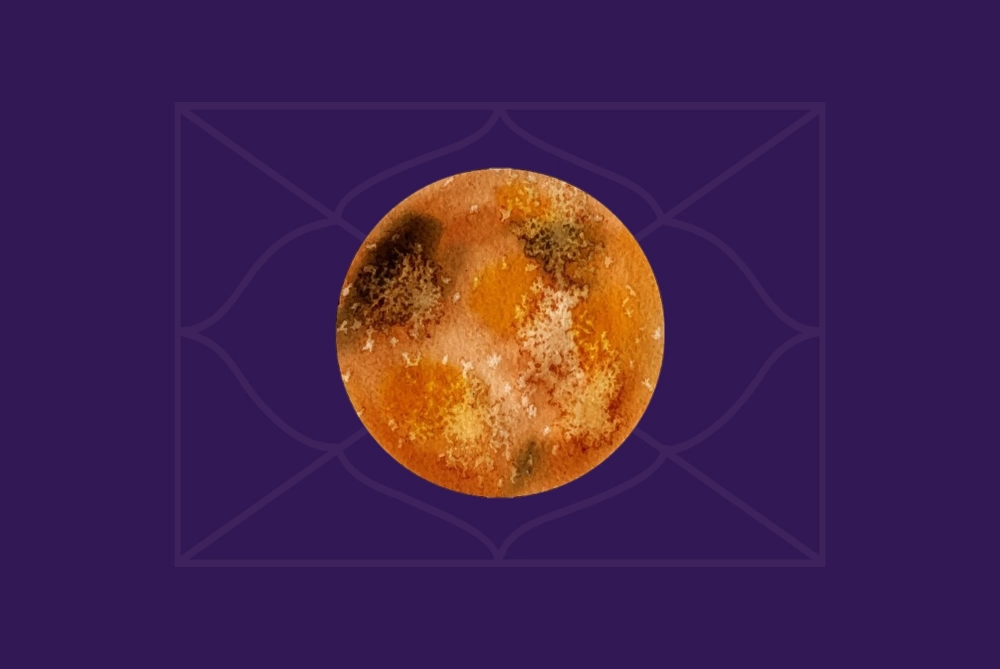

Venus Mahadasha occupies a significant position in the Vimshottari sequence. Lasting twenty years, it is the longest of the nine planetary periods and is traditionally associated with relationships, marriage, wealth, comforts, artistic expression and material prosperity.
Known as Shukra in Sanskrit, Venus represents refinement, beauty, attraction, enjoyment and the capacity to appreciate the finer aspects of life. Its significations extend to marriage, spouse, poetry, music, ornaments, vehicles, flowers, learning and sensual pleasures.
However, Venus Mahadasha should not be reduced to a period of romance, luxury or financial abundance. The classical texts describe a considerably wider range of results, including professional recognition, property, family growth, charitable activities, religious observances and public standing.
Brihat Parashara Hora Shastra gives particularly favourable results when Venus occupies its exaltation sign, own sign, Kendra or Trikona. It also describes difficulties involving relatives, spouse, business and family when Venus is poorly placed.
The twenty-year period must therefore be interpreted through the complete condition of Venus in the Kundali, including its house ownership, placement, dignity, strength and relationship with other planets.
1. The Nature and Significations of Venus
In Brihat Parashara Hora Shastra, Venus is described as Shukra, the son of Bhrigu. Its natural characteristics include beauty, refinement and poetic ability.
Parashara’s description of Venus’s natural significations in Chapter 8 includes wife, sensual enjoyment, happiness, song, learning, poetry, flowers, ornaments, vehicles, cattle, pearls and prosperity.
These significations can be understood through several broad dimensions.
Marriage and relationships: Venus is an important natural significator of marriage, spouse, affection, attraction and conjugal happiness. Its condition becomes particularly relevant when examining relationships, alongside the 7th house, its lord and the relevant divisional charts.
Wealth and comforts: Venus signifies material comforts, ornaments, vehicles, valuable possessions and enjoyment. Its influence can become prominent in matters involving acquisition, refinement and the quality of one’s living circumstances.
Arts and creativity: Music, poetry, beauty, aesthetic appreciation and artistic pursuits fall within Venus’s natural domain. Its favourable influence can support creative ability and appreciation of artistic expression.
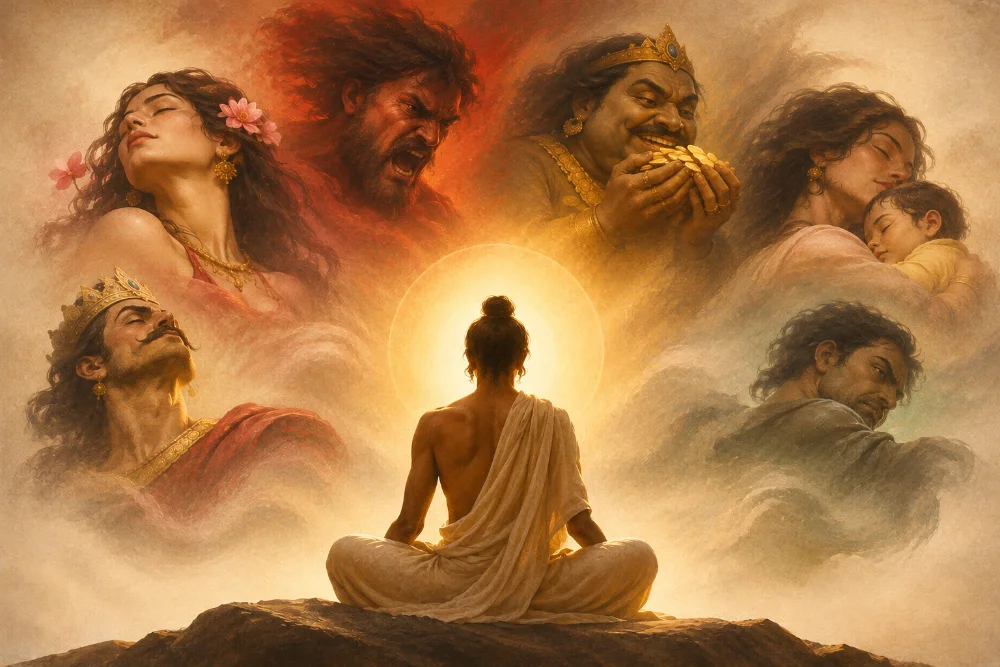
Sensuality and enjoyment: Venus represents pleasure, attraction, desire and the capacity to enjoy material and sensory experiences. These indications must be distinguished from the broader philosophical concept of desire, which has multiple significators.
Learning and refinement: Classical descriptions also associate Venus with learning, poetry and intellectual pursuits. Its influence is not confined to material indulgence.
These significations explain why Venus Mahadasha can influence several dimensions of life simultaneously. Its results, however, depend on the role Venus occupies in the particular Kundali.
2. General Results of Venus Mahadasha According to Parashara
Brihat Parashara Hora Shastra, Chapter 47, verses 78 to 89, provides the principal description of Venus Mahadasha.
The text begins by associating Venus with delight, ecstasy and enjoyment. It then describes the results according to Venus’s dignity and placement.
When Venus occupies its exaltation sign, own sign, Kendra or Trikona, Parashara describes:
- Acquisition of fine garments and ornaments.
- Vehicles, cattle and land.
- Availability of desirable food and comforts.
- Recognition and favour from people in authority.
- Celebrations involving music and dance.
- Improvement in material circumstances.
When Venus occupies its Moolatrikona, the text describes further possibilities, including acquisition of property, family celebrations, children and grandchildren, restoration of lost wealth or position, and authority.
Parashara also describes favourable results when Venus occupies the 4th house or functions as the 9th or 10th lord. These include public recognition, prosperity, charitable activities, construction of reservoirs and temples, and happiness involving spouse and children.
The adverse indications are described when Venus occupies the 6th, 8th or 12th house. These include strained relations with relatives, distress involving spouse, business losses, destruction of resources and separation from family members.
The text further warns that Venus owning the 2nd or 7th house can produce physical distress during its Mahadasha because these are Maraka houses.
These descriptions establish an important principle: Venus Mahadasha can bring substantial material and social development, but its outcome is conditional upon the planet’s actual position and functional role.
3. Venus’s Functional Role Across the Twelve Ascendants
Venus does not perform the same function for every ascendant. Its house ownership changes according to the Lagna, which can significantly modify the results of its twenty-year period.
Unlock this Pro Content
Access Advanced Astrology with Astro Assured Pro
5. The Nine Antardashas of Venus Mahadasha
Venus Mahadasha lasts twenty years and contains nine Antardashas, each governed by a different planet.
| Antardasha | Approximate Duration |
|---|---|
| Venus | 3 years, 4 months |
| Sun | 1 year |
| Moon | 1 year, 8 months |
| Mars | 1 year, 2 months |
| Rahu | 3 years |
| Jupiter | 2 years, 8 months |
| Saturn | 3 years, 2 months |
| Mercury | 2 years, 10 months |
| Ketu | 1 year, 2 months |
| Total | 20 years |
The following are the principal considerations for each sub-period, based on the conditional descriptions in BPHS Chapter 60.
Venus Antardasha
The opening sub-period activates Venus’s own indications. When Venus is strong and favourably placed, Parashara describes gains involving property, vehicles, garments, family happiness, food, celebrations and recognition.
When Venus is poorly placed or afflicted, difficulties may emerge through relatives, business, domestic circumstances and relationships. The condition of its dispositor and the houses it owns is particularly important.
Sun Antardasha
The Sun introduces authority, recognition, father, government and personal standing into the Venus period.
A well-supported Sun can contribute to favourable developments and material gains. However, Parashara’s description of this sub-period gives considerable importance to the Sun’s placement relative to the ascendant and Venus. Its position in difficult houses or association with malefics may produce disputes, anxiety and family difficulties.
Moon Antardasha
The Moon brings the mind, mother, family, residence, nourishment and domestic circumstances into prominence.
A strong Moon can support happiness, property, vehicles, family celebrations and material comforts. A weak, combust or poorly placed Moon may produce mental distress, financial difficulties and strain involving family members.
Mars Antardasha
Mars activates action, courage, land, property, competition and professional initiative.
Parashara describes favourable results involving property, land, ornaments, authority and desired acquisitions when Mars is strong and suitably placed. Its association with difficult houses or malefics can instead bring disputes, losses and conflict.
Rahu Antardasha
Rahu introduces unconventional circumstances, unusual associations and developments that may not follow familiar patterns.
BPHS describes gains, enjoyment, successful journeys, land and wealth when Rahu occupies favourable positions or receives benefic influence. It also describes favourable results through its placement in the 3rd, 6th, 10th or 11th houses, subject to the conditions stated in the text.
Its dispositor and associations must be examined before interpreting this period.
Jupiter Antardasha
Jupiter introduces knowledge, teachers, children, Dharma, wealth and auspicious activities.
When favourably placed, Parashara describes gains involving property, recognition, learning, children, family happiness and restoration of lost position. A weak or afflicted Jupiter, particularly when connected with difficult houses, may bring disputes, financial strain and distress involving relatives.
Saturn Antardasha
Saturn brings responsibilities, discipline, service, work, obligations and long-term circumstances into prominence.
A strong Saturn in exaltation, own sign, Kendra, Trikona or favourable Navamsa can support recognition, authority, social associations and auspicious developments. A debilitated or poorly placed Saturn may bring increased expenditure, professional difficulties and distress involving family members.
Mercury Antardasha
Mercury activates intellect, education, communication, commerce, business and analytical pursuits.
When strong and favourably placed, BPHS describes gains, improved fortune, recognition, learning, children and favourable professional associations. Weakness or malefic association can instead produce business losses, anxiety and difficulties involving residence and family.
Ketu Antardasha
Ketu introduces separation, discontinuity and unusual circumstances within Venus’s longer period.
Parashara describes favourable possibilities involving professional gains, resources and victory when Ketu is strong or connected with a Yogakaraka. Its association with malefics or placement in difficult positions can bring anxiety, losses, disputes and family difficulties.
These descriptions are conditional, not universal predictions. The Antardasha lord must be judged through its own functional nature, strength, placement and relationship with Venus.
6. Venus Mahadasha and Marriage
Marriage is among the most prominent subjects associated with Venus, which is why its twenty-year period is often popularly described as a time of romantic fulfilment.
However, Venus alone cannot determine marriage.
The 7th house, its lord, Venus, Jupiter where relevant, the Navamsa, Upapada Lagna and the operating planetary periods must be considered together.
A strong Venus connected with the 7th house or its lord may support marriage, relationship happiness and improvements in domestic circumstances. A favourable Antardasha can provide the timing for such developments when the natal chart promises them.
Conversely, Venus Mahadasha does not guarantee marriage merely because Venus is a natural significator of spouse. If the 7th house and its lord are weak or afflicted, or if the relevant planetary periods do not support marriage, the period may manifest through other Venus-related matters.
Existing marriages can also experience changes during Venus Mahadasha. The quality of those changes depends on the relationship between Venus, the 7th house, its lord and the planets influencing them.
7. Venus Mahadasha and Wealth
Venus is associated with material comforts, ornaments, vehicles, possessions and enjoyment. Its favourable placement can support the acquisition of resources and an improvement in living circumstances.
Parashara’s description includes property, land, conveyances, valuable garments, family prosperity and recognition from people in authority.
However, financial results must be judged through the 2nd and 11th houses, their lords, Dhana Yogas, the 10th house and the overall condition of the relevant planets.
Venus may also govern expenditure and material enjoyment. A strong Venus can increase one’s capacity to acquire comforts, but it may also coincide with a greater desire to spend on them.
Therefore, wealth accumulation and expenditure should be examined separately rather than assuming that every favourable Venus period automatically produces lasting financial growth.
8. Venus Mahadasha and Arts, Learning and Refinement
Venus has a particularly important relationship with artistic expression.
Parashara associates it with poetry, song, flowers, beauty and learning. These significations extend naturally to creative and aesthetic pursuits.
A well-supported Venus connected with the 3rd, 5th, 10th or relevant houses may support artistic development, public recognition, creative work and professional opportunities involving aesthetics.
The period may also encourage learning and refinement of existing skills. Its results depend on Mercury, Jupiter, the 5th house and the relevant divisional placements.
The same principle applies to professions associated with beauty, fashion, design, entertainment, music, hospitality and luxury. Venus can become significant in such fields, but the actual profession must be judged through the complete occupational configuration rather than one planetary placement.
9. Classical Remedies During Venus Mahadasha
Brihat Parashara Hora Shastra Chapter 47, verses 88-89, prescribes Shatarudriya or Mrityunjaya recitation and charitable giving for the difficulties associated with Venus owning the 2nd or 7th house.
Chapter 60 also gives specific remedial measures within certain Antardashas of Venus. These include different forms of recitation, worship and charity depending on the sub-period and the condition described.
Such prescriptions should not be converted into universal remedies for every individual undergoing Venus Mahadasha.
A remedial measure should be selected after examining the actual planetary condition and the tradition being followed. The mere presence of Venus in a particular house does not establish the need for a gemstone, mantra or ritual.
Classical remedies are best understood within the context of the specific affliction or difficulty for which they are prescribed.
Conclusion
Venus Mahadasha is a twenty-year period associated with relationships, family, material comforts, wealth, artistic pursuits and social recognition. Its classical descriptions extend to property, professional authority, charitable activities, religious observances and the fulfilment of worldly ambitions.
Yet Venus does not produce the same results in every Kundali. Its functional lordship, dignity, placement, strength and associations determine the areas of life in which its influence becomes prominent.
A favourable Venus can support prosperity and happiness, while an afflicted or poorly placed Venus may bring difficulties involving relationships, finances and family circumstances. Its Antardashas further introduce the influence of the other eight planets and create different phases within the twenty-year period.
Ultimately, Venus Mahadasha is not simply a period of pleasure or luxury. It is a period in which the matters governed and signified by Venus become important, in accordance with the promises and limitations of the birth chart.
Frequently Asked Questions About Venus Mahadasha
What is Venus Mahadasha in Vedic astrology and how long does it last?
Venus Mahadasha (Shukra Mahadasha) is the longest planetary period in the Vimshottari Dasha system, spanning 20 years. Ruled by Venus, the natural karaka of love, beauty, luxury, arts, and material comforts, this phase shifts life focus from the inward detachment of Ketu Mahadasha toward worldly enjoyment, creative expression, and relationship fulfillment.
What are the positive effects of a well-placed Venus Mahadasha?
When Venus is strong in its own signs (Taurus or Libra), exalted (Pisces), or placed in auspicious houses, this 20-year period brings significant financial prosperity, acquisition of vehicles and property, harmonious marriage, social popularity, and recognition in creative, artistic, or diplomatic pursuits.
How does Venus Mahadasha influence love, marriage, and relationships?
As the primary significator of romance and partnerships (Kalatra Karaka), Venus Mahadasha frequently marks the timing of marriage, deepening romantic bonds, or forming lucrative business alliances. It enhances personal charm, emotional warmth, and the desire for companionship and domestic harmony.
Can Venus Mahadasha give challenging results if Venus is afflicted or debilitated?
Yes, if Venus is debilitated in Virgo, combust, or afflicted by malefic planets, the period can bring relationship misunderstandings, excessive indulgence, extravagant spending, or health vulnerabilities related to the reproductive system, kidneys, or sugar balance. Functional lordship for the rising sign (Lagna) also determines whether Venus acts as a benefic or a temporary challenge.
How can one make the most of Venus Mahadasha?
Channeling Venusian energy constructively involves cultivating artistic talents, maintaining financial discipline despite increased comforts, treating partners with respect and fairness, and practicing moderation in lifestyle habits. Giving to charitable causes or supporting arts and women’s welfare also harmonizes Venus’s influence.
Classical References
- Brihat Parashara Hora Shastra: Chapter 46, Vimshottari Dasha; Chapter 47, verses 78-89, results of Venus Mahadasha; Chapter 60, results of the nine Antardashas within Venus Mahadasha; Chapter 34, functional lordship.
- Phaladeepika by Mantreswara: Chapter 2, Venus’s natural significations; Chapter 19, verse 12, results of Venus Mahadasha; Chapter 21, verses 75-84, Antardasha results.
- Jataka Parijata by Vaidyanatha Dikshita: Chapter 18, verses 158-169, results of Venus Mahadasha and its subordinate periods.
- Brihat Jataka by Varahamihira: Chapter 8, planetary period results and the indications associated with Venus.
Note: Chapter and verse numbering may vary between editions and recensions. References above follow the editions consulted for this article.